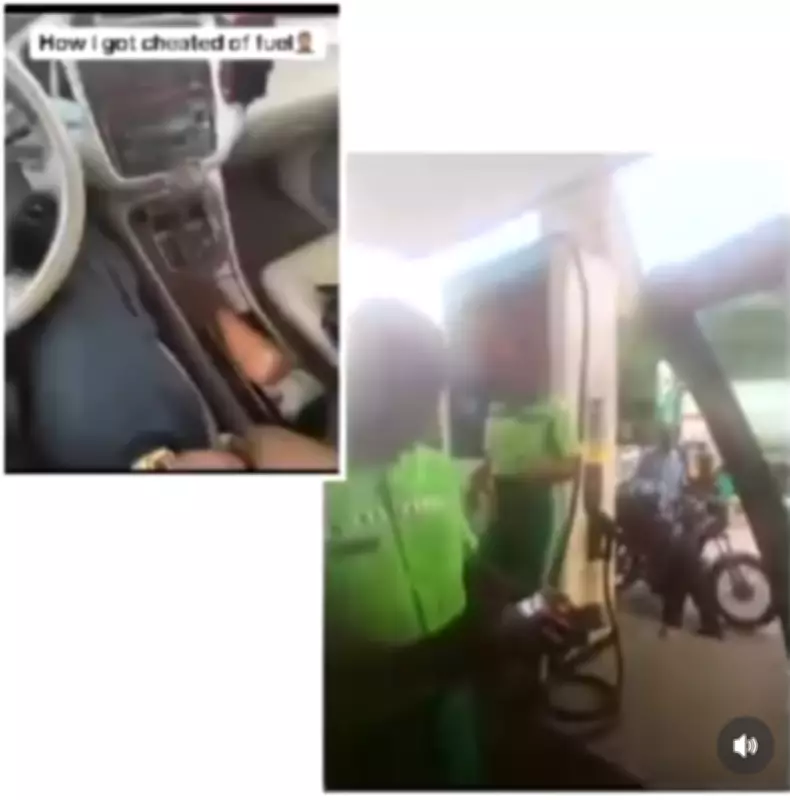
A Nigerian consumer has publicly exposed an alleged fuel station scam after noticing suspicious activity during a fuel purchase. The man visited a fuel station and requested ₦20,000 worth of fuel, but immediately observed that the dispensing meter was already reading ₦5,501 before the attendants began pumping fuel into his vehicle.
Confrontation Over Meter Manipulation
The customer quickly confronted the fuel attendants, pointing out that they had started dispensing fuel without resetting the meter to zero or obtaining his confirmation. This practice, if true, would mean customers pay for fuel they never received, as the meter begins counting from an existing amount rather than starting fresh for each transaction.
Smart Glasses Capture Entire Incident
Unknown to the attendants, the entire confrontation was being recorded using Meta smart glasses worn by the customer. The discreet recording technology allowed the man to document the exchange without alerting the fuel station employees, creating compelling visual evidence of the alleged malpractice.
The video footage shows the customer questioning the attendants about why the meter wasn't reset before beginning to dispense his ₦20,000 worth of fuel. This incident highlights growing concerns about consumer protection in Nigeria's fuel retail sector, where customers often report various forms of exploitation at filling stations.
Broader Implications for Consumer Rights
This case raises important questions about transparency and accountability in Nigeria's fuel distribution network. With fuel prices remaining a significant concern for Nigerian households and businesses, incidents like this underscore the need for:
- Stricter monitoring of fuel station operations
- Regular inspections of dispensing equipment
- Consumer education about rights at fuel stations
- Technological solutions to prevent meter manipulation
The use of smart glasses to document the incident represents a new frontier in consumer activism, where technology empowers ordinary citizens to gather evidence of potential wrongdoing. As more Nigerians gain access to discreet recording devices, businesses across various sectors may face increased scrutiny from vigilant customers.
The video was subsequently shared on social media platforms, including Instagram where it gained significant attention. This public exposure serves as both a warning to consumers to remain vigilant during fuel purchases and a caution to fuel station operators about the growing technological capabilities available to customers for documenting transactions.