
In a significant policy reversal aimed at tackling a deepening population crisis, China has announced it will end a three-decade tax exemption on contraceptives. Starting January 1, 2026, products like condoms and contraceptive drugs will be subject to the country's standard 13% value-added tax.
A Direct Response to Falling Births
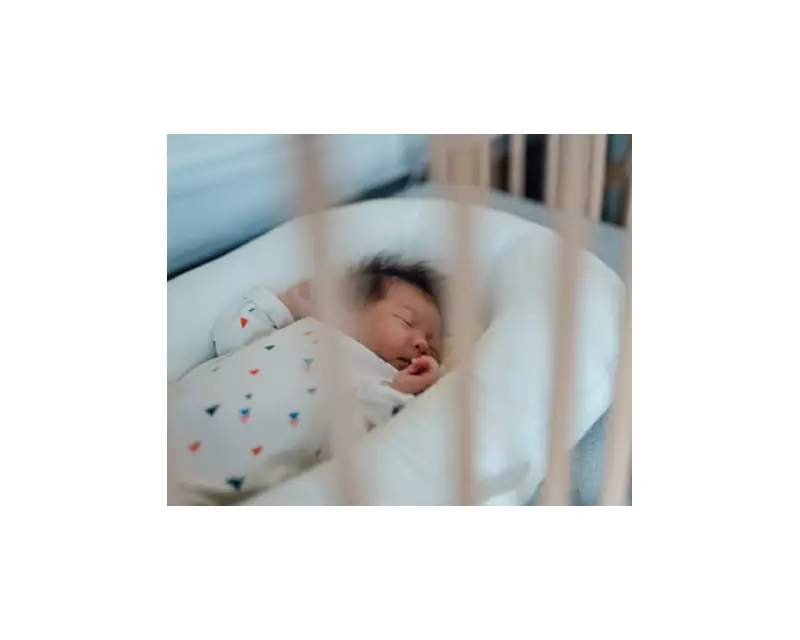
The move is a clear attempt by the government to incentivize families to have more children. This comes against a backdrop of a sharply declining birth rate. Official data reveals a stark drop: 9.5 million babies were born in China in 2024, a figure that is roughly one-third lower than the 14.7 million recorded in 2019.
This demographic decline has had global implications, with India overtaking China as the world's most populous nation in 2023. For years, China actively promoted contraception, even providing it for free, to enforce its infamous one-child policy. That strict rule, in place from around 1980 to 2015, involved severe penalties, forced abortions, and denying official status to over-quota children.
Public Backlash and Expert Warnings
The new tax has been met with ridicule and skepticism on Chinese social media. Many citizens argue that the cost of raising a child far outweighs a slight price increase on contraceptives. Hu Lingling, a mother of one, called the move "ruthless" and stated her rebellious intent to "lead the way in abstinence." She contrasted it ironically with the forced abortions of the past.
Demographers and public health experts have raised serious concerns. Qian Cai, Director of the University of Virginia's Demographics Research Group, warned that higher prices could limit access for low-income groups, potentially leading to more unplanned pregnancies and sexually transmitted infections. She noted this could subsequently increase abortions and public healthcare costs.
Cai also expressed doubt about the policy's effectiveness, stating the tax would have a "very limited" effect on reproductive decisions for couples who are determined not to have more children.
A Logical Shift or a Misguided Policy?
The Chinese government has progressively relaxed birth limits, allowing two children in 2015 and three in 2021 as the population began to shrink. Some analysts see the tax as a natural progression. Yi Fuxian, a senior scientist at the University of Wisconsin-Madison, called it "only logical," framing it as a return to treating contraceptives as ordinary commodities rather than tools for population control.
However, the policy places China at a crossroads between its pronatalist ambitions and the practical realities of modern family planning, economic pressures, and personal freedom. The world will be watching to see if taxing prevention proves more effective than the previous decades of enforcing it.




