
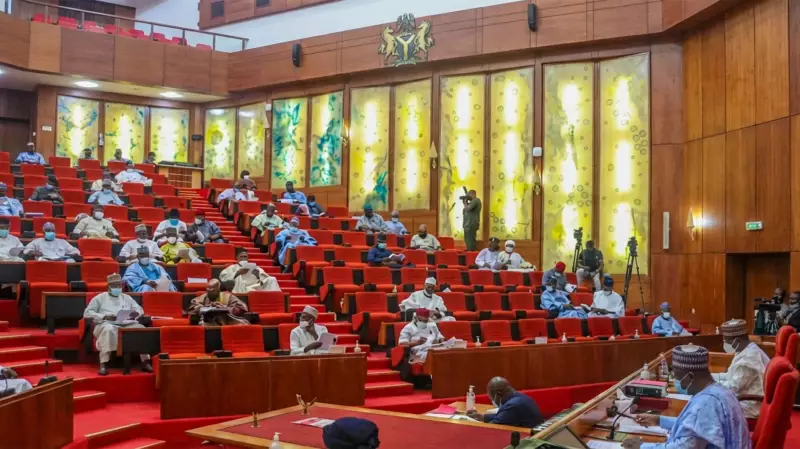
As Nigeria strives to stabilize its economy and rebuild its manufacturing base, a proposed tax amendment is advancing rapidly, raising significant concerns among economic and policy analysts. The Customs, Excise and Tariff Amendment Bill (CETA), which seeks to alter how beverages are taxed, is moving forward without the comprehensive evidence and coordination such a sensitive fiscal change demands.
Lack of Local Evidence and Rushed Process
A critical issue with the CETA bill is the absence of Nigeria-specific research to justify its core health argument. The proposal aims to replace the current fixed excise duty of ₦10 per litre on non-alcoholic beverages with a levy tied to the retail price. Proponents often cite health benefits from reducing sugar consumption. However, most supporting studies come from foreign markets with different consumer habits, income levels, and market structures.
In the Nigerian context, where consumers frequently switch to cheaper, informal alternatives when prices rise, a higher tax may not meaningfully reduce overall sugar intake. Without local impact assessments, modelling, or independent public health evaluation, it is difficult to justify a policy shift that carries substantial economic costs for uncertain health gains. This gap highlights the urgent need for broad consultations with health professionals, academia, consumer groups, and the private sector before proceeding.
Economic Risks and Contradiction with Fiscal Policy
The potential economic fallout from the bill is severe. The beverage sector is a major pillar of Nigeria's economy, supporting an estimated 1.5 million jobs across manufacturing, MSMEs, farming, distribution, and logistics. It contributes roughly 45% of its gross revenues as taxes and drives backward integration through initiatives like the National Sugar Master Plan.
Yet, the industry is already under immense pressure from FX volatility, high energy costs, and rising input prices. Introducing a retail-price-based levy would further increase operating costs, reduce capacity utilisation, slow investment, and push consumer prices higher. This could lead to weaker demand, factory contractions, and job losses.
Furthermore, the bill appears to contradict the current administration's stated fiscal direction. President Bola Ahmed Tinubu has committed to policy stability and predictability, instituting a two-year tax reform moratorium to allow for a comprehensive review by the Presidential Fiscal Policy and Tax Reform Committee. Pushing this amendment now risks adding uncertainty and discouraging investment, undermining these broader goals.
Threats to Revenue and Fiscal Architecture
Paradoxically, the bill designed to generate revenue could actually shrink government income. As formal sector prices rise, consumers may shift to untaxed, unregulated informal beverages. This would reduce traceable economic activity, leading to a decline in VAT and Corporate Income Tax (CIT) collections. The resulting fall in allocations to the Federation Account Allocation Committee (FAAC) could put state governments, already facing constrained fiscal space, under further revenue pressure.
There are also procedural and legal concerns. As a member-sponsored bill, it is unclear if the amendment has undergone the required fiscal coordination, stakeholder consultations, or revenue analysis mandated for changes affecting the Medium-Term Expenditure Framework. Key bodies like the Ministry of Finance and the Fiscal Policy and Tax Reform Committee may not have been fully engaged. This ad-hoc approach introduces unpredictability and complicates long-term fiscal planning.
The Path Forward: Coordination and Evidence
Nigeria undoubtedly needs thoughtful tax reform, but it must be coordinated, evidence-driven, and aligned with the national economic strategy. The conversation should prioritize transparency, predictability, and stability. Following the public hearing, lawmakers should proceed with caution.
The aim must be to ensure any reform is grounded in robust, Nigeria-specific data and developed in full alignment with the country's broader fiscal direction. Excise policy should not be restructured without the active participation of the very institutions tasked with safeguarding Nigeria's economic future. A coordinated and evidence-based approach is the only way to prevent the unintended consequences of a rushed legislative amendment.
Olamide Bakare, a communication practitioner, wrote from Ketu, Lagos.




