
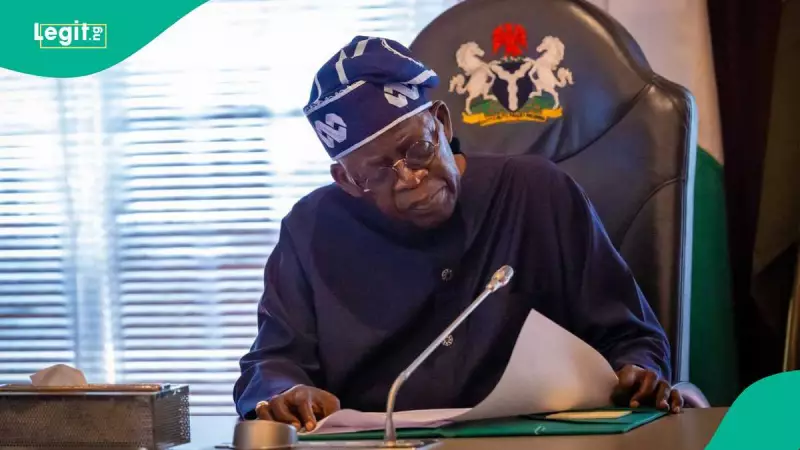
President Bola Ahmed Tinubu has provided crucial assurances regarding the upcoming overhaul of Nigeria's tax system, scheduled to commence in 2026. He emphasized that the new regime is specifically designed to offer significant relief to the nation's most vulnerable citizens and its small business sector.
Core Focus: Protecting the Vulnerable and Small Enterprises
The President's message was delivered on Tuesday, December 16, 2025, at the 8th Annual Senator Abiola Ajimobi Roundtable held at the University of Ibadan. Represented by the Executive Chairman of the Federal Inland Revenue Service (FIRS), Zaccheus Adedeji, Tinubu outlined the fundamental principles behind the policy.
He stated that the reforms are structured to shield low-income earners and protect small businesses from excessive financial pressure. A key feature will be the exemption of essential items and services from what he termed "burdensome taxes."
These exemptions are set to cover critical areas of daily life, including:
- Basic food items
- Medication and healthcare products
- Educational services and materials
- Agricultural inputs and produce
- Shared public transportation
Furthermore, the President addressed a long-standing challenge for Nigeria's entrepreneurial landscape: multiple taxation. He assured that the new laws would streamline the tax process, freeing small and medium-sized enterprises (SMEs) from the crippling effect of being taxed repeatedly by different government tiers for the same income.
Economic Context and Expected Impact
Speaking at the event, which was themed "Pathways to Electoral Credibility," Tinubu connected the tax reforms to his administration's broader economic agenda. He pointed to improving macroeconomic indicators as evidence that the reforms are beginning to yield results.
"Our GDP is growing, inflation is tumbling, and improvements are being recorded in the fiscal deficit. Companies that were previously posting losses have returned to profitability," the President noted.
He urged Nigerians not to view the upcoming changes with apprehension, promising that the tangible benefits would become more apparent once the laws take effect. "The laws come with good news for the poor, low-income earners and small businesses," Tinubu affirmed, projecting that citizens would feel the positive impact more strongly in the coming year.
Tribute to a Legacy and Call for Unity
The event also served as the 76th posthumous birthday lecture for the late former Oyo State governor, Abiola Ajimobi, who died in June 2020. Tinubu paid tribute to Ajimobi's leadership and reformist zeal, using the occasion to call for unity within the All Progressives Congress (APC) in Oyo State ahead of future elections.
He commended the late governor's wife, Ambassador-designate Florence Ajimobi, for sustaining her husband's legacy through the Senator Abiola Ajimobi Foundation, which organized the roundtable in collaboration with the University of Ibadan's Institute for Peace and Strategic Studies.
In his remarks, Oyo State Governor, Seyi Makinde, represented by his deputy, Bayo Lawal, described the forum as a fitting tribute to Ajimobi's contributions to governance. He stressed that rebuilding trust in democracy requires accountability, sincerity, and inclusive governance from political parties.
The detailed explanation from the President aims to clarify the government's intent and alleviate concerns, positioning the 2026 tax reforms as a cornerstone policy for equitable economic growth and social protection in Nigeria.




