A pivotal European Union summit in Brussels on Thursday is set to be dominated by heated debates over a historic trade agreement with South America. The long-awaited EU-Mercosur deal, which has been under negotiation for over two decades, is facing significant opposition from several member states and thousands of protesting farmers.
What is the EU-Mercosur Deal and Why is it Contentious?
The proposed free-trade pact is between the European Union and the Mercosur bloc, which comprises Brazil, Argentina, Uruguay, and Paraguay. If ratified, it would create the world's largest free-trade zone, connecting a market of 450 million European consumers with 270 million in South America.
Concluded in late 2024, the agreement awaits final approval. It would allow the EU to boost exports of vehicles, machinery, wine, and spirits to Latin America. In return, it would facilitate easier entry for South American agricultural products like beef, sugar, rice, honey, and soybeans into the European market.
However, this aspect has ignited fierce resistance. Agricultural unions across Europe argue that the deal will flood the market with cheaper alternatives, causing severe damage to their livelihoods. They project that up to 10,000 protesters, including 4,000 from France, will gather in Brussels to voice their opposition.
Key Points of Conflict and Economic Impact
The economic stakes are substantial. In 2024, the four Mercosur countries exported $23.3 billion worth of agricultural and agrifood products to the EU. This resulted in a significant trade deficit of 20.1 billion euros for the European bloc.
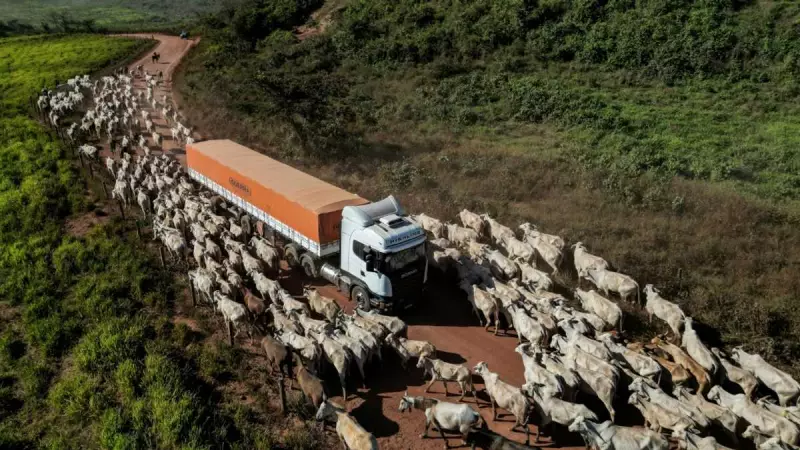
A major flashpoint is beef imports. The deal provides for an export quota to the EU of a maximum of 99,000 tonnes of beef, equating to about 1.6 percent of the bloc's total production. While duties above 40 percent would apply to exports beyond this quota, European farmers, particularly in France, remain unconvinced. They argue that South American producers are not held to the same stringent environmental and food safety standards, creating an unfair competitive advantage.
In response to these concerns, the European Parliament recently moved to tighten safeguards. Lawmakers agreed to monitor imports of sensitive products like beef, poultry, and sugar more closely. They want the European Commission to intervene if a Mercosur product costs at least five percent less than its EU equivalent and if duty-free import volumes rise by more than five percent.
Political Divide and the Road to Ratification
The political landscape surrounding the deal is deeply fractured. European Commission President Ursula von der Leyen is scheduled to travel to Foz do Iguacu, Brazil, on Saturday to sign the agreement during a Mercosur leaders' summit. However, she first requires approval from European heads of state at the Thursday summit.
France and Italy are leading the opposition. French President Emmanuel Macron stated firmly that France would oppose any attempt to force the deal through without robust safeguard clauses and stricter import controls. Italy's Prime Minister Giorgia Meloni similarly warned against premature ratification, citing unfinished protections for farmers.
On the other side, Spain strongly supports the pact, anticipating a boost for its wine and olive oil exports. Germany also appears favorable, likely motivated by a desire to support its automotive industry's access to new markets.
From South America, Brazilian President Luiz Inacio Lula da Silva has intensified pressure, urging EU member states to consent and hinting that this may be Brazil's last chance for such an agreement during his presidency.
The path forward remains narrow. Even if EU leaders agree, the European Parliament must also approve the deal, where a tight vote is expected. Approximately 150 lawmakers are already calling for a legal challenge at the European Court of Justice, indicating that the controversy surrounding this landmark trade pact is far from over.