
In a significant development for global trade, the long-awaited free trade agreement between the European Union and the South American Mercosur bloc has been postponed, with a new target date for signing now set for January 12, 2025. The deal, which would establish the world's largest free trade zone, was delayed following intense protests from European farmers.
Historic Pact Meets Political Resistance
Representatives from the Mercosur nations—Argentina, Brazil, Paraguay, and Uruguay—convened in Foz de Iguacu, Brazil, on Friday, December 19th. They had initially hoped to finalize the monumental agreement that very weekend. However, negotiations spanning more than a quarter-century hit a last-minute hurdle.
The primary opposition came from agricultural sectors within the EU, particularly in France and Italy. Farmers in these countries expressed deep anxiety about being undercut by cheaper imports of meat, sugar, rice, honey, and soybeans from agricultural powerhouses like Brazil.
This tension spilled onto the streets of Brussels just days before the planned signing. Approximately 1,000 tractors rolled into the city, with protesters lighting fires and clashing with police who used tear gas and water cannons. The scale of the demonstrations forced the European Commission to announce a postponement.
New Timeline and Key Players' Stances
Despite the setback, momentum for the deal remains. Multiple diplomatic sources in Brussels indicated that the EU is now working towards a formal signing ceremony on January 12 in Paraguay. Paraguay is slated to assume the rotating presidency of Mercosur from Brazil in 2026.
European Commission President Ursula von der Leyen expressed confidence, stating she believes a "sufficient majority" among the EU's 27 member states will approve the pact next month.
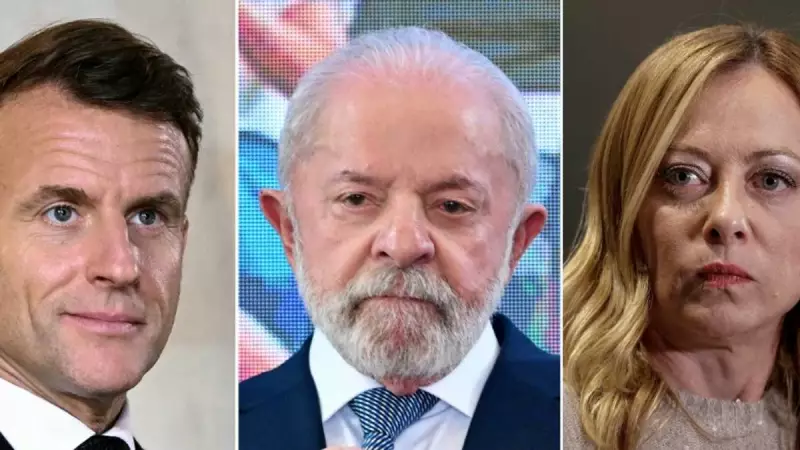
The political landscape, however, is complex. Brazilian President Luiz Inacio Lula da Silva issued a stern warning, urging the EU to sign the deal promptly or forget it during his administration. He later noted that Italian Prime Minister Giorgia Meloni had requested "patience," signaling Rome's eventual willingness to agree.
French President Emmanuel Macron was more cautious, stating it was "too soon" to confirm France's support and calling for fundamental changes to the agreement's text. Reflecting this domestic pressure, French farmers protested again on Friday, spreading manure near Macron's seaside residence.
Economic Implications and Supporters
The proposed agreement promises substantial two-way trade benefits. The European Union stands to boost exports of vehicles, machinery, wines, and spirits to the Latin American market. In return, Mercosur nations would gain easier access for their key agricultural products into Europe.
Several EU nations are strong proponents of the deal. Germany, Spain, and the Nordic countries see it as a crucial opportunity to enhance exports amid rising global trade tensions. German government spokesman Sebastian Hille conveyed Chancellor Friedrich Merz's optimism, stating the question is no longer "if" but "when" the deal will be signed, expecting completion within "the next two to three weeks."
A Brazilian government source emphasized that the pact already includes safeguards for EU farmers but acknowledged the "delicate" internal political situation in France.
The Mercosur summit continues, with President Lula scheduled to meet his counterparts from Uruguay, Paraguay, and Argentina's controversial leader, Javier Milei, whose recent social media post depicting Brazil as a slum added another layer of diplomatic intrigue to the proceedings.




