The United States government has officially eliminated the 15 percent tariff previously imposed on Ghana's cocoa and agricultural exports, marking a significant victory for the West African nation's economy.
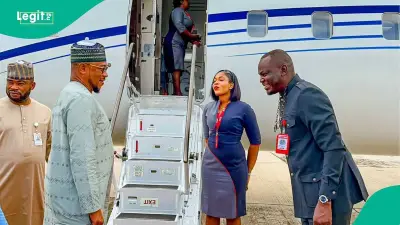
Ghana's Foreign Minister, Samuel Okudzeto Ablakwa, confirmed the development on Monday, stating that Washington had provided formal notification of the tariff removal.
Diplomatic Breakthrough and Implementation
The tariff reversal took effect on November 13, 2025, following a new Executive Order signed by President Trump. This decision rescinds a Trump-era policy that had substantially increased the cost of Ghanaian agricultural products entering the American market.
Foreign Affairs Minister Ablakwa announced the positive development through his official X account, noting that American diplomats had formally communicated the policy change to the Government of Ghana. The minister emphasized that both nations "will continue to forge closer and mutually beneficial relations" following this decision.
Economic Impact on Ghana's Agriculture Sector
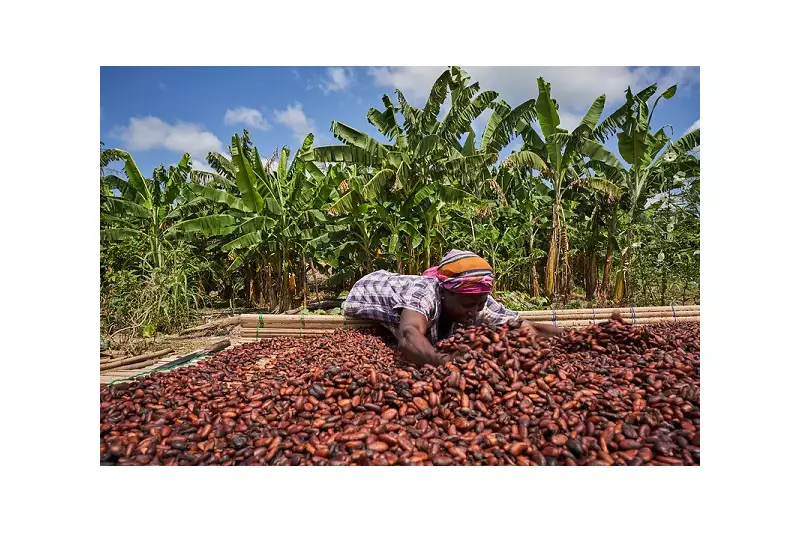
The economic implications of this tariff removal are substantial for Ghana, which ranks as the world's second-largest cocoa producer. The country depends heavily on export revenues to stabilize its currency and finance public spending programs.
According to official estimates, Ghana exports approximately 78,000 metric tons of cocoa beans to the United States each year. With the tariff elimination, the country is projected to generate an additional $60 million in annual revenue based on current market prices.
The tariff exemptions extend beyond cocoa to include several other important Ghanaian agricultural products:
- Cashew nuts
- Avocados
- Bananas and plantains
- Mangoes and pineapples
- Coconuts
- Ginger
- Peppers
Broader Context of Ghana-US Relations
This tariff decision arrives at a noteworthy moment in the relationship between Ghana and the United States. The development follows recent diplomatic engagements that have seen Washington reverse visa restrictions on Ghanaian travelers after months of negotiations.
Additionally, Accra recently accepted dozens of deportees from the United States who were exclusively West Africans. While the Ghanaian government described this move as humanitarian, it attracted some domestic criticism.
The United States remains the world's leading importer of chocolate and cocoa products, making this market particularly crucial for Ghana's agricultural sector. The tariff removal is expected to strengthen trade ties between the two nations while providing a significant boost to Ghana's export-driven economy.