
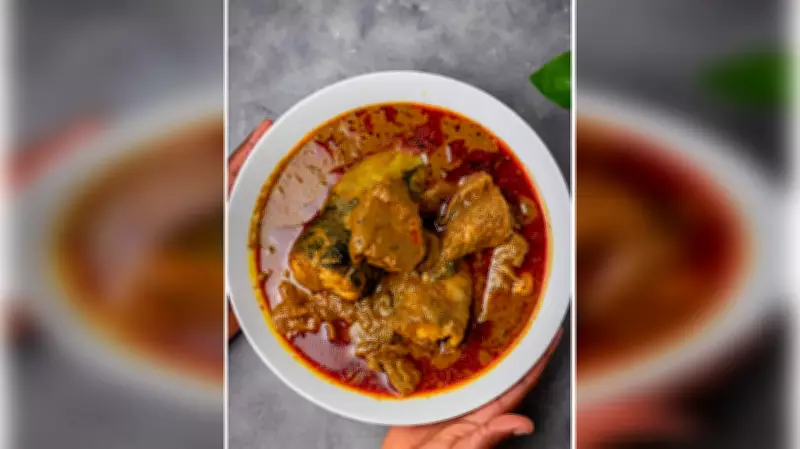
Exploring Nigeria's Culinary Heritage: A Journey Through Iconic Traditional Soups
Nigerian soups represent far more than mere sustenance; they are deeply woven into the nation's cultural fabric, serving as culinary expressions of history, community, and identity. These hearty dishes are traditionally accompanied by various swallows, such as pounded yam, fufu, eba, amala, and tuwo, each contributing unique textures and flavors that enhance the dining experience. The diversity of Nigerian soups reflects the country's rich ethnic tapestry, with each region offering its own distinctive variations and preparations.
Egusi Soup: The Versatile Classic
Egusi soup stands as one of Nigeria's most beloved and versatile culinary creations. Typically prepared with ground melon seeds, this soup often incorporates leafy greens like waterleaf and pumpkin leaves, known locally as ugu. The beauty of egusi lies in its adaptability; it can be crafted as a thick, chunky stew or a smoother soup, depending on regional preferences and family recipes. The addition of iru, fermented locust beans, imparts a distinctive aroma that adds complexity to the flavor profile, creating a dish that is both comforting and sophisticated.
Oha Soup: A Culinary Masterpiece
Oha soup is celebrated as a true culinary masterpiece, particularly among the Igbo people of southeastern Nigeria. Best enjoyed with fufu, pounded yam, or eba, this soup delivers a harmonious blend of bitterness, sweetness, spice, and richness that dances on the palate. The inclusion of assorted meats, such as beef, goat meat, and stockfish, provides a substantial protein component that makes Oha soup both nourishing and deeply satisfying.
Edikaikong: The Nutrient-Rich Vegetable Soup
Edikaikong is a highly nutritious, thick vegetable soup native to the Efik people of Cross River and Akwa Ibom states. This dish is made with a combination of fluted pumpkin leaves and water leaf, cooked in red palm oil with an abundance of proteins including stockfish, goat meat, dry fish, and periwinkles. Remarkably, Edikaikong is prepared with little to no added water, resulting in a concentrated, flavorful broth. For those outside Nigeria, kale and spinach can serve as suitable substitutes for the traditional leafy greens.
Miyan Kuka: The Northern Delicacy
Miyan Kuka, also known as baobab leaf soup, is a popular dish in northern Nigeria, made from dried baobab leaves and special spices like yaji, which add a distinctive local flavor. This soup is typically described as a 'draw soup' due to its viscous consistency and is commonly paired with Tuwo shinkafa, a staple swallow in the region. Miyan Kuka exemplifies the unique culinary traditions of Nigeria's northern states.
Fisherman's Soup: A Seafood Lover's Delight
Fisherman's Soup is a rich, spicy, and authentic riverine delicacy that seafood enthusiasts cherish. This one-pot wonder is packed with fresh seafood such as croaker or catfish, prawns, crabs, snails, and periwinkles, cooked in palm oil and thickened with cocoyam or ofor. Aromatic uziza leaves complete the flavor profile. Enjoying Fisherman's Soup is an experience that requires patience; one must navigate bones, crack shells, and savor the heat of yellow habanero peppers that warm from the inside out.
Banga Soup: The Palm Nut Specialty
Banga soup, known as Ofe Akwu in the Igbo language, is a rich Nigerian palm nut soup popular in the Niger Delta and southeastern regions. Made from palm fruit extract, spices, and assorted meats or fish, this soup is thickened with palm nut concentrate and seasoned with banga spices, oburunbebe stick, and vegetables like bitter leaf or beletete. It is traditionally paired with starch, pounded yam, or, in the Igbo style, with white rice.
Bitterleaf Soup: The Nutritious Igbo Staple
Bitterleaf soup, or Ofe Onugbu, is a popular and nutritious dish from the Igbo region, featuring a thick, savory base made from cocoyam and thoroughly washed bitter leaves. Contrary to its name, the soup is not inherently bitter, as the leaves are meticulously processed to reduce bitterness before cooking. The dish combines assorted meats, stockfish, palm oil, crayfish, and ogiri, resulting in a rich, complex flavor profile that pairs beautifully with any preferred swallow.
Gbegiri and Ewedu: The Protein-Packed Combo
Gbegiri is a high-protein soup made from beans, combining both plant and animal proteins, though it can also be prepared vegan without compromising flavor. The beans are traditionally mashed using a local cooking broom, known as Ijabe, though modern methods like blenders are also employed. Gbegiri is often enjoyed with Omi obe, Okro, or Ewedu, another popular soup made from jute leaves, creating a complementary duo that highlights Nigeria's culinary ingenuity.
These soups not only nourish the body but also tell stories of Nigeria's diverse cultures, traditions, and communal values. Each bowl offers a taste of history, making Nigerian soups an essential aspect of the nation's culinary heritage.