The Unbreakable Bond: How Lagos and Brazil Share a Common Soul
Did you know that Lagos and Brazil are intricately linked by a rich and enduring history? If you stroll through specific neighborhoods on Lagos Island, you will encounter historic buildings that strikingly resemble structures from South America. This architectural similarity is not a coincidence but a testament to a profound cultural bridge forged centuries ago across the Atlantic Ocean.
A Journey Rooted in the Trans-Atlantic Slave Trade
The connection begins during the dark period of the Trans-Atlantic slave trade, when a significant number of individuals taken to Brazil originated from the Yoruba-speaking regions of West Africa. Remarkably, unlike many other areas in the Americas, the Yoruba community in Brazil, especially in Bahia, tenaciously preserved their language, religious practices, and social frameworks.
The Reverse Migration of the Aguda
Following the Malê Revolt of 1835 in Salvador and the abolition of slavery in Brazil in 1888, numerous Afro-Brazilians embarked on a reverse migration back to West Africa. These returnees, known in Lagos as the Aguda, arrived with more than just personal belongings; they brought a distinctive Luso-African culture that would profoundly influence the architectural landscape and social elite of Lagos.
Architectural Legacy: Brazilian Baroque in Lagos
The most visible evidence of this link is the Brazilian Baroque architecture introduced by the Aguda, who were often skilled masons, carpenters, and architects. They incorporated ornate plasterwork, arched windows, and grand balconies, contrasting sharply with the traditional courtyard housing of the time. Iconic buildings that stand today include:
- Water House: Perhaps the most famous landmark, constructed by João Esan da Rocha, a returnee who became one of the wealthiest men in West Africa.
- Shitta-Bey Mosque: A stunning example of Brazilian craftsmanship applied to Islamic worship, featuring intricate floral motifs typical of South American cathedrals.
- The Cathedral of the Holy Cross: A testament to the Catholic faith brought back by the returnees, standing as a gothic-brazilian hybrid in the heart of the city.
Culinary and Spiritual Exchanges
The influence extends far beyond architecture. Culinary delights like Akara in Nigeria, known as Acarajé in Brazil, highlight shared food traditions. Similarly, Frejon, a coconut bean soup eaten during Holy Week in Lagos, is a direct culinary import from Brazil. On a spiritual level, while the Aguda introduced Catholicism to Lagos, the Yoruba religion evolved into Candomblé in Brazil. Today, many Afro-Brazilians undertake ancestral pilgrimages to shrines in Southwest Nigeria, fostering a unique diplomatic and cultural channel.
Festivals and Lasting Connections
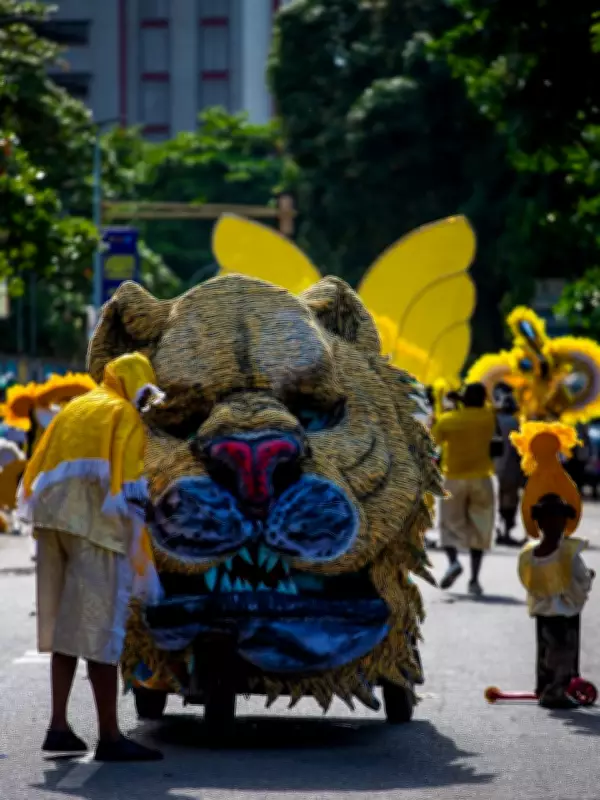
The vibrant colors and rhythmic drums of the Lagos Carnival are directly inspired by Brazilian festivals, showcasing a shared love for street dancing and elaborate costumes. Moreover, many families in Lagos still bear Brazilian surnames such as Da Silva, Cardoso, or Pereira, underscoring the enduring familial and cultural ties. Despite the vast ocean separating them, Lagos and Brazil remain like twins, demonstrating that people always carry a piece of home with them, no matter how far they travel.