
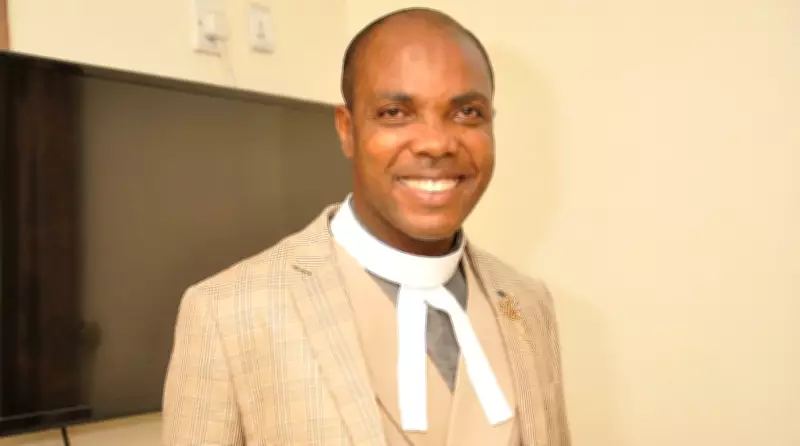
Beyond the Physical Act: A Theological and Social Examination of Murder
In a profound reflection on the commandment "Do not kill," Rector Stephen Wolemonwu delves into the multifaceted nature of murder, extending beyond mere physical violence to encompass moral and social dimensions. Drawing from biblical references such as Exodus 20:13 and Deuteronomy 5:17, he argues that actions like slander or character assassination, which maliciously ruin reputations, are metaphorically and morally equated to murder. This perspective highlights how lies and deceit, described as "homicidal" in nature in John 8:44, can harm lives and safety, thus constituting a form of murder through deliberate dishonesty.
Social and Legal Definitions of Homicide
Socially, murder is defined as the unlawful ending of a person's life with malice aforethought. Wolemonwu outlines several types of homicide, including premeditated killing, which involves planned and intentional acts; felony murder, where death occurs during the commission of another violent crime like robbery or kidnapping; poisoning, often viewed as a sneaky and nefarious method; and vehicular homicide, resulting from extreme recklessness such as drunk driving. These categories underscore the legal frameworks that distinguish murder from other forms of killing.
Indirect or Negligent Forms of Murder
Both legal and spiritual standards recognize that causing death through reckless disregard or intentional omission can be considered murder. Criminal negligence, or negligent homicide, involves ending a life through "reckless indifference to an unjustifiably high risk." Neglect of duty, such as failing to provide necessary care to dependents like children or patients, is seen as a grave form of indirect murder. Additionally, the concept of "social murder" is introduced, where societal or corporate actions create conditions leading to unnecessary deaths, such as unsafe workplaces or denial of life-saving medications.
Specific Contextual Acts Considered Murder
Wolemonwu addresses various acts widely regarded as murder in religious and ethical contexts. Abortion and euthanasia are viewed by many teachings as the intentional taking of human life, created in God's image. Infanticide, the killing of infants, is condemned as murder, despite historical associations with female madness. Genocide, the mass destruction of groups, is analogized to murder against individuals, while assassination targets prominent figures for political motives. Murder-suicide, where a perpetrator takes their own life after killing, is noted as a dramatic and violent event.
Key Distinctions and Scriptural Views
It is crucial to distinguish murder from other forms of killing. While all murder involves killing, not all killing is murder; laws differentiate murder from manslaughter, which may occur in the heat of passion, or justifiable homicide like self-defense. From a scriptural perspective, even accidental deaths, such as an axe head flying off, are treated with seriousness in the Bible, requiring exile to a city of refuge, though they are distinguished from premeditated murder as "blood guiltiness."
Conclusion: Valuing Human Life in Modern Society
In a poignant conclusion, Wolemonwu critiques a society where the value of cows sometimes seems to outweigh human life, and people are slaughtered like animals. He emphasizes that every life is precious, regardless of age, sex, creed, faith, tribe, or color. Calling for intentional actions through both act and art, he urges placing value on life created in the image of God. This message resonates deeply in contemporary contexts, advocating for a renewed commitment to sanctity and justice.
The Ven Stephen Wolemonwu, Rector, The Ibru International Ecumenical Centre Contact: 08035413812; [email protected]