
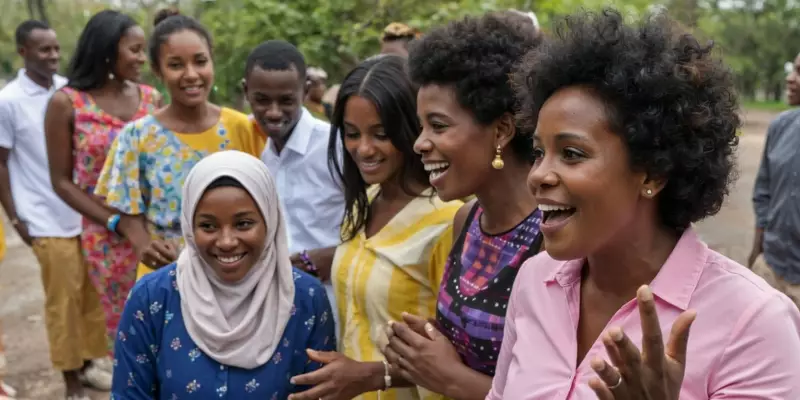
The Silent Disappearance of Nigeria's Linguistic Heritage
Language represents far more than mere communication—it embodies the very soul of culture, identity, and ancestral wisdom. Nigeria, a nation blessed with over 500 indigenous languages, faces an alarming cultural crisis as these linguistic treasures vanish at an unprecedented rate. Younger generations across the country are increasingly abandoning their native tongues in favor of English and Pidgin English, creating what experts describe as a silent cultural erosion.
Urban Centers Lead the Language Abandonment
In major cities including Lagos, Abuja, and Port Harcourt, a disturbing trend has emerged where children cannot converse in their parents' mother tongues. Families now predominantly communicate in English within their homes, while educational institutions often discourage local language use, labeling them as outdated or unprofessional. This cultural shift has resulted in a generational disconnect, with youth growing up increasingly detached from their ancestral roots.
Linguistic experts issue a grave warning: if current patterns persist, numerous Nigerian languages could face extinction within the next 50 years. The implications of this loss extend far beyond communication barriers. Each language carries unique traditional knowledge, folklore, oral histories, and indigenous wisdom systems that resist accurate translation into other tongues.
The extinction of any language means the permanent loss of centuries of cultural heritage. Traditional proverbs, ceremonial songs, sacred rituals, and even ancestral medical practices embedded within these linguistic systems risk disappearing forever. Notably, UNESCO has classified the Igbo language as endangered, with many young Igbo speakers now unable to sustain basic conversations in their native language. Similar patterns threaten minority languages across northern Nigeria, where Hausa increasingly overshadows smaller ethnic tongues.
Driving Forces Behind Linguistic Decline
Multiple factors contribute to this alarming decline. Globalization and urbanization have positioned English as the language of social advancement and modernity, prompting parents to prioritize English education for their children. Government policies have similarly failed to effectively promote indigenous languages. Although the National Policy on Education mandates mother tongue instruction during early childhood education, implementation remains critically weak.
Many schools lack adequately trained teachers for indigenous language instruction, while some parents actively resist such educational efforts. The entertainment industry further exacerbates the problem, with Nigerian music, films, and social media content predominantly featuring English and Pidgin English. Despite Nollywood producing some Yoruba and Hausa language films, English-language productions maintain overwhelming dominance, making indigenous languages appear less contemporary or commercially viable to youth.
Preservation Efforts Offer Hope
Despite these challenges, revitalization initiatives are gaining momentum. Cultural organizations, academic institutions, and activists are advocating for stronger preservation strategies. Yoruba and Hausa literature continues to thrive through local publishing houses, while Igbo scholars are developing digital platforms for language education.
Radio stations nationwide broadcast programs in local dialects, and social media influencers are increasingly embracing indigenous content. Some states, including Lagos and Ebonyi, have attempted to make indigenous language classes compulsory in schools. While commendable, these efforts remain fragmented and insufficient to address the national scale of the crisis.
Experts emphasize that for meaningful change to occur, indigenous languages must transition from cultural symbols to practical tools. This requires integrating them into technology, business, governance, and media landscapes. Developing software, mobile applications, and digital content in local languages could enhance their appeal among younger generations. Similarly, broadcasting significant news and official government communications in indigenous languages would strengthen their status.
Families play a crucial role in reversing this trend. By speaking native languages at home, encouraging children to learn traditional songs and stories, and instilling cultural pride, parents can actively preserve their heritage. Communities must also celebrate and reward indigenous language use, ensuring children perceive their mother tongues as valuable assets rather than liabilities.
Ultimately, the survival of Nigeria's indigenous languages tests the nation's commitment to cultural preservation. Allowing them to disappear would mean surrendering essential components of Nigeria's soul to globalization's homogenizing forces. As global interconnectedness increases, nations that safeguard their cultural identities will maintain distinctive voices in international discourse. Without urgent intervention, future generations of Nigerians may inherit a land where ancestral songs remain unsung and forebears' stories cannot be told in their original languages.