
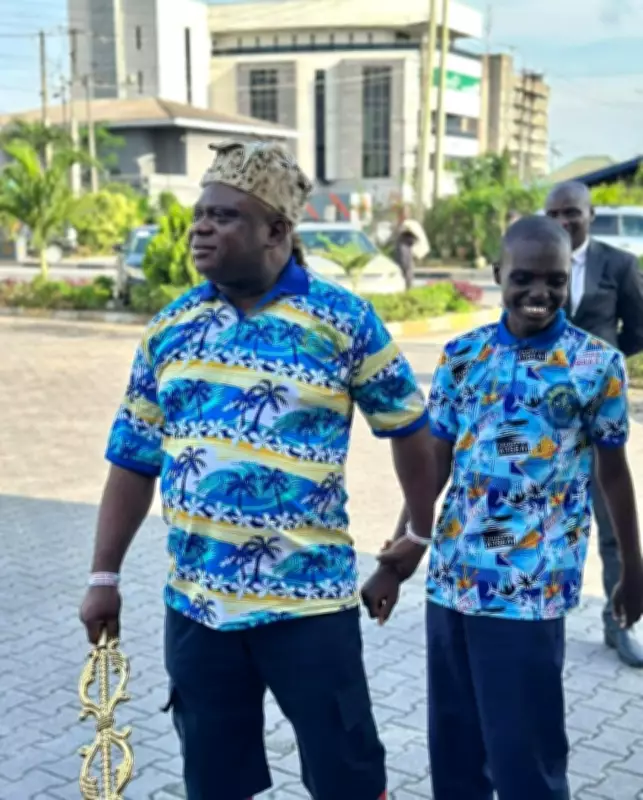
Outrage Erupts Over Pastor's Paid Wife Search for Adopted Autistic Son
Pastor Chibuzor Gift Chinyere, a prominent religious figure, has ignited widespread controversy and public outrage after announcing his intention to seek a paid non-autistic wife for his adopted autistic son. The pastor, known for his leadership in the Omega Power Ministry (OPM), stated that this unusual arrangement is necessary because his son allegedly cannot control his sexual urges, a claim that has drawn sharp criticism from disability rights advocates and the general public.
Details of the Controversial Proposal
According to reports, Pastor Chibuzor made the announcement publicly, outlining his plan to hire a woman who is not on the autism spectrum to marry his son. He emphasized that the wife would be compensated financially for her role, framing it as a solution to manage his son's purported inability to regulate sexual impulses. The pastor argued that this setup would provide care and stability for his son, but many have condemned it as exploitative and dehumanizing.
Public and Advocacy Reactions
The response has been overwhelmingly negative, with social media platforms and news outlets flooded with expressions of anger and disbelief. Critics accuse the pastor of promoting harmful stereotypes about autism and treating individuals with disabilities as objects to be bought and sold. Disability rights organizations have voiced strong opposition, highlighting that such actions violate ethical standards and perpetuate stigma against autistic people.
Key points of contention include:- The ethical implications of paying for a spouse, which many view as akin to human trafficking or prostitution.
- The reinforcement of negative myths about autism, particularly regarding sexuality and self-control.
- Concerns about the well-being and consent of the woman involved, who might be pressured into the arrangement for financial reasons.
Broader Implications and Calls for Action
This incident has sparked a broader debate about the treatment of individuals with disabilities in Nigeria, especially within religious and cultural contexts. Advocates are calling for increased education and awareness to combat misconceptions about autism and to promote inclusive practices. Some have urged authorities to investigate the matter for potential legal violations, such as those related to human rights or anti-trafficking laws.
As the story continues to unfold, it underscores the need for greater sensitivity and respect for the dignity of all individuals, regardless of their neurological differences.