
The Sanctity of Life: A Biblical and Societal Perspective on the Commandment 'Do Not Kill'
Life is inherently sacred and precious, a truth universally acknowledged as everyone values their own existence. In the decalogue, God issued a clear warning: "Do not kill," which is the sixth commandment as stated in Exodus 20:13 and reiterated in Deuteronomy 5:17. This directive explicitly forbids the illegal and intentional taking of human life, often translated as "You shall not murder." The term originates from the Hebrew word 'ratsakh,' underscoring the profound sanctity of life created in God's image. Among all creations, humans uniquely bear this divine likeness, distinguishing them from other beings such as monkeys and apes.
Why the Warning Against Killing Matters
Killing someone involves ending another person's life, terminating their existence, and inflicting immense pain on loved ones. It is a permanent act with irreversible consequences that ripple through families, communities, and society at large. In numerous contexts, it is regarded as a grave offense, carrying significant legal and moral implications. People commit such acts for various complex reasons, often driven by a combination of factors.
Emotionally driven motivations include anger, fear, revenge, or passion, while psychologically driven factors encompass mental health struggles and impulsivity. Socio-economic elements such as poverty, inequality, and lack of opportunities also play a role, alongside wrong cultural or ideological beliefs like extremism and gang violence. Even in cases of self-defence or protection from perceived threats, the commandment urges caution, emphasizing that taking a life should be the last resort after considering all alternatives. Motive and premeditation are critical in defining murder, even in so-called self-defence scenarios.
Socio-Economic Factors Contributing to Violence
In Nigeria, factors like insecurity, ethno-religious conflicts, and resource disputes can exacerbate violence. Key socio-economic contributors include:
- Poverty: Limited access to essential resources, employment, and opportunities.
- Inequality: Disparities in wealth distribution, education, and healthcare services.
- Unemployment: A lack of economic prospects, particularly affecting the youth.
- Corruption: Misuse of power and resources, leading to widespread frustration.
- Poor governance: Inadequate public services, insecurity, and mistrust in institutions.
These elements can fuel tensions and insecurity, highlighting the need for addressing root causes to promote peace and respect for life.
Scriptural and Spiritual Definitions of Murder
Scripturally, murder is not confined to the physical act but extends to the intent of the heart, representing a failure to honor the sanctity of life created in God's image. The Bible equates deep-seated hatred or malice against another with murder, as stated in 1 John 3:15. Jesus further expanded this commandment in Matthew 5:21-22, teaching that anger, contempt, or calling someone "Raca" or "fool" makes one liable to judgment, emphasizing that harboring such emotions is akin to murder in spirit.
The principle of loving others as oneself is intrinsically linked to respecting the lives of others. Killing transcends physical harm, encompassing harboring deep hatred or anger. This holistic view underscores the importance of cultivating compassion and empathy in daily interactions.
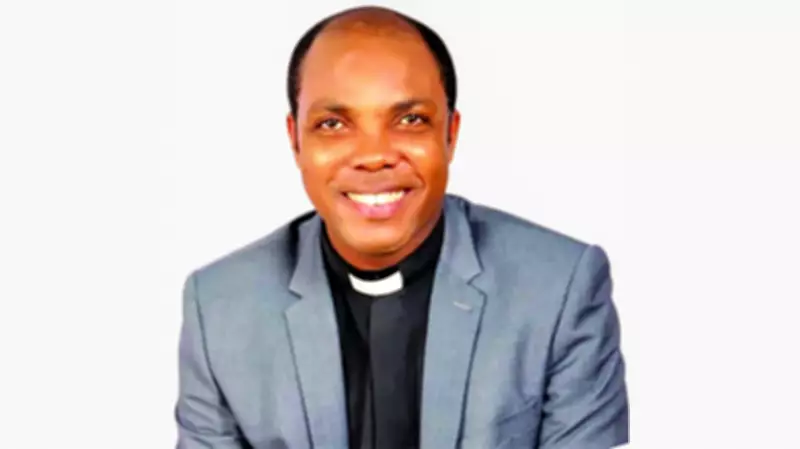
As articulated by Ven. Stephen Wolemonwu, Rector of Ibru International Ecumenical Centre, this perspective calls for a renewed commitment to valuing every life, fostering a society where the commandment "Do not kill" is upheld in both action and heart.