
Historic Reconciliation for Kalabari People
The Kalabari Ethnic Nationality in Rivers State has made a monumental decision to unite after centuries of fragmentation into separate communities. This significant move marks a new chapter for one of Nigeria's prominent eastern Ijaw subgroups.
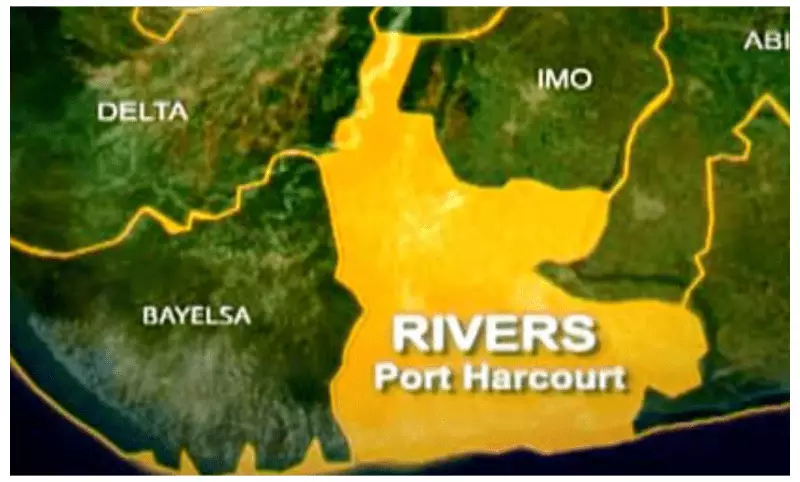
The Kalabari kingdom spans three Local Government Areas: Akuku-Toru, Asari-Toru, and Degema, comprising numerous communities that have maintained their distinct identities over generations.
Elem-Kalabari Hosts Unity Festival
This weekend, all Kalabari communities will return to their ancestral homeland of Elem-Kalabari to celebrate a joint 'New Year' festival, serving as a powerful symbol of unity for the second consecutive year. The event demonstrates their collective decision to come together as one people after prolonged separation.
The festival venue at Elem-Kalabari is expected to attract international tourists and dignitaries due to its serene location, famous ancestral significance, and the growing blue economy development in the region.
Cultural Renaissance and Tourism Potential
According to a statement from the Kalabari Renaissance Foundation, the organizing body, the Kalabari people are naturally positioned where early rising is essential for survival. The statement, signed by Chairman Mr. Harry Awolayeofori Macmorrison, emphasized that Kalabari prominence is annually reinforced through New Year festivals across all communities.
Mr. Macmorrison explained that "Kalabari is one of the foremost Ijaw groups that has all it takes to occupy a place on the tourism calendar of Nigeria."
The festival, aimed at ushering in blessings for 2026 ahead of other Nigerian ethnic groups, commenced on Thursday, November 13, 2025 with an arts exhibition in Port Harcourt. The celebrations will culminate with grand performances by cultural and contemporary groups from across Kalabari land, showcasing the unique abilities of the Kalabari people.
Dignitaries and Cultural Preservation
Ibiba DonPedro, Head of Media and Member of the Board of Trustees, confirmed that distinguished guests expected at the festival include representatives from Rivers and Bayelsa States, leaders of the Federation of Tourism Associations of Nigeria (FTAN), and delegates from the United States and United Kingdom.
During the exhibition, Professor Charles Omuaru, an Arts professor at Ignatius Ajuru University of Education, Port Harcourt, urged the Kalabari people to build a museum to preserve their rich cultural artifacts. He noted that despite the Kalabari nation's wealth in historical and cultural artifacts, many have been lost over years due to inadequate preservation facilities.
Professor Omuaru expressed opposition to calls for repatriating historical artifacts taken from Africa by Europeans, arguing that "repatriation of such artifacts would lead to their destruction because Africa lacks preservation mechanisms." Instead, he suggested Africa should seek reparations.
Stakeholders Emphasize Unity
Several Kalabari kingdom stakeholders have echoed calls for unity among the people. Alabo Kingsley Young Jack, Secretary of Elem Kalabari Council of Chiefs, emphasized that Kalabaris value the festival for its unifying power.
He acknowledged the nation's rich historical and cultural artifacts while noting that some were taken by early Europeans.
Alhaji Daud Oduboye Peniel, paramount head of the Kemsaipruye-Igbo group of houses in Ke Town, Degema Local Government Area, stressed that "Kalabari unity is necessary to enable the nation to move forward."
Veteran journalist Don Pedro highlighted the festival's significance given its historical antecedents in the Kalabari nation, noting it forms the very foundation of the kingdom and deals with the totality of their lives.
Ibibia Don Pedro expressed gratitude to HRH Alhaji Asari Dokubo, the Amanyanabo of Elem Kalabari Kingdom, for his support in hosting the festival.
This historic gathering represents not just a cultural celebration but a profound step toward healing centuries of division, positioning the Kalabari people for a stronger, unified future while preserving their rich cultural heritage for generations to come.