Former Catholic Knight Embraces Traditional Religion as Senior Bishop in Anambra
In a remarkable religious transformation, Sir James-Louis Okoye, previously a distinguished Catholic Knight in the Order of St. John International, has been formally initiated as a Senior Bishop within the traditionalist movement known as "Omenala Bu Eziokwu Na Ndu," which translates to "Tradition is Truth and Life." This significant event occurred in Anambra State, marking a profound personal and spiritual journey for Okoye, who has publicly renounced his former Christian faith.
Dramatic Exit from Catholic Church Precedes Conversion
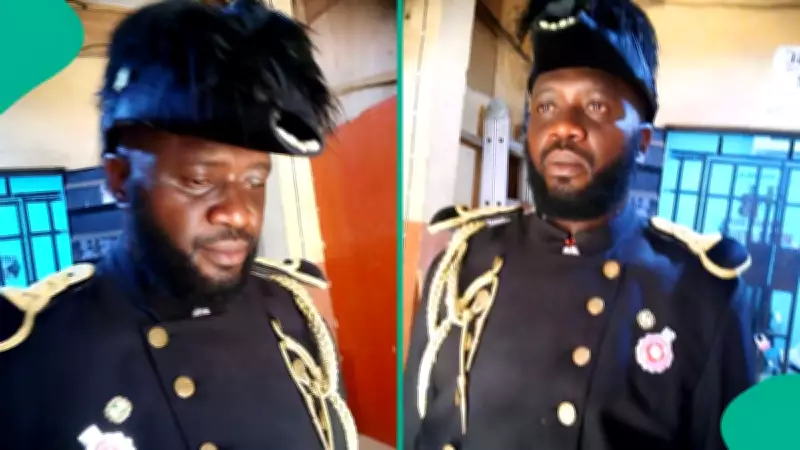
The shift follows a highly publicized incident in January 2026, when Okoye walked out of the dedication ceremony at Our Lady of Assumption Cathedral in Nnewi, Anambra State. Viral footage captured him leaving the cathedral in visible anger, an act he attributed to frustration over the perceived sidelining of late Senator Ifeanyi Ubah, a major supporter of the project. During that event, he removed his knightly regalia and declared a permanent break from the Catholic Church, earning the nickname "Akachaam," meaning "I no longer belong to the church."
Initiation Rites and New Role in Traditionalist Movement
Recent videos circulating on social media show Okoye undergoing traditional initiation rites, officiated by prominent traditionalist Mathias Ezeaku. This ceremony elevated him to the position of Senior Bishop in the Omenala Bu Eziokwu Na Ndu movement, which advocates for indigenous religious practices. The initiation has sparked widespread debate, with supporters praising his courage and critics questioning the sudden nature of his transformation.
Okoye Explains His Spiritual Reawakening
In an exclusive telephone interview, Okoye reflected on his Catholic past, detailing his involvement in activities such as the Block Rosary Crusade, choir participation, and his knighthood. He stated, "My brother, I can tell you that I am born again. My present spiritual state is what it means to be born again. I've discovered the truth - I've discovered life - and I've embraced them." He expressed regret for abandoning the ways of his forefathers, describing his previous embrace of Christianity as a pursuit of vanity influenced by Western traditions.
Okoye elaborated, "My parents were traditionalists. But I deviated from the way. When I was growing up, I joined the Block Rosary Crusade in the Catholic church. I joined other children who recite the rosary daily. Then, the church became our second home, and all our efforts were geared towards making heaven, where we hoped to see God face to face and live with the angels forever." He added that as he deepened his involvement in the church, he observed vices among its adherents, which led him to draw comparisons with traditional practitioners and ultimately prefer the latter.
Background and Implications of the Conversion
Okoye's conversion highlights ongoing tensions between Christianity and indigenous religions in Nigeria, particularly in regions like Anambra where cultural heritage remains strong. His story resonates with broader discussions about identity, spirituality, and the rejection of colonial influences in religious practices. The Omenala Bu Eziokwu Na Ndu movement, through figures like Okoye, seeks to revitalize traditional beliefs and challenge the dominance of imported faiths.
This event has not only personal significance but also cultural and social implications, as it may inspire others to reconsider their religious affiliations. Okoye concluded, "What happened during the cathedral dedication came after I had already seen many vices in what was supposed to be a holy place, and I had already made up my mind to leave for good." His journey from Catholic Knight to Senior Bishop in a traditionalist movement underscores a growing trend of religious rediscovery and cultural pride in contemporary Nigeria.