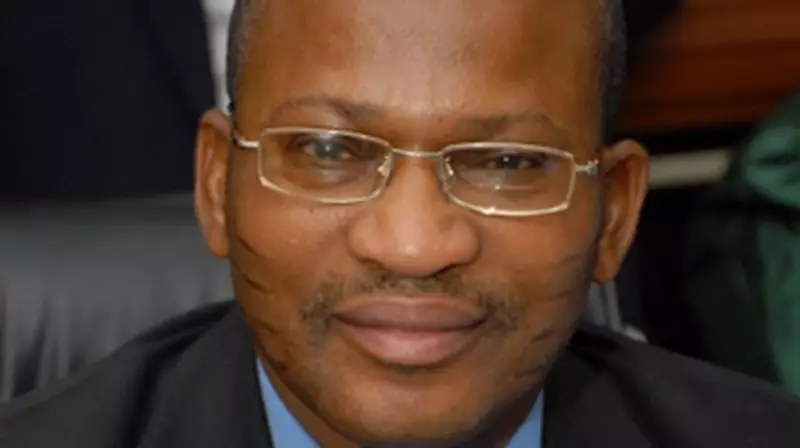
Professor Josiah Ajiboye, the immediate past Registrar and Chief Executive of the Teachers’ Registration Council of Nigeria (TRCN), has issued a powerful call for the government to fundamentally reassess how it funds the nation's education sector.
Alarming Statistics Highlight a Crisis
Speaking at a recent event in Abuja, the former TRCN boss painted a stark picture of the challenges crippling Nigerian education. He pointed to a damning report from the United Nations Children’s Fund (UNICEF), which estimates that over 75 per cent of children aged seven to 14 cannot read a simple text. Furthermore, the report classifies a staggering 45 million Nigerian children as 'learning poor.'
Ajiboye identified a confluence of factors driving this crisis, including dilapidated infrastructure, poorly prepared teachers, widespread insecurity, weak supervision systems, and a severe shortage of teaching and learning materials.
Education as an Investment, Not an Expense
The professor's central argument was a philosophical shift in how the country views education spending. "Education should be viewed as an investment rather than a mere expenditure," he stressed. Ajiboye believes that when the government genuinely prioritises education, political leaders will become more committed to providing the necessary resources.
This shift, he argued, is the direct path to improved learning outcomes and quality education for every Nigerian child. "When the government prioritises education, political leaders will be more committed to providing necessary resources," he stated, linking funding directly to political will and better results.
Building on Past Reforms for Future Success
Drawing from his own experience leading the TRCN, Ajiboye highlighted key reforms he implemented to bolster teaching professionalism. A major initiative was the introduction of the Professional Qualifying Examination (PQE) for teachers, a move designed to standardise and raise the quality of the teaching workforce across the country.
He called for the full and effective implementation of such standards to sustain improvements. Additionally, he emphasised the critical need to execute the dual mandate of Colleges of Education, which combines teacher preparation with enhancing basic education. "The country needs well-prepared teachers with the Nigeria Certificate in Education (NCE) and diploma-level training to provide foundational learning," Ajiboye concluded.
Overall, his message was clear: Nigeria's path to development requires a sustainable and investment-focused approach to financing education, starting with an urgent reassessment of current practices.