UBEC Launches World Bank-Funded Program to Educate 29 Million Out-of-School Children
The Universal Basic Education Commission (UBEC) has officially commenced the implementation of the HOPE-EDU program, a groundbreaking intervention aimed at fostering equal opportunities for school-age children to access basic education across Nigeria. This initiative, funded by the World Bank and the Global Partnership for Education, is being spearheaded by UBEC in collaboration with State Universal Basic Education Boards (SUBEBs) with the ambitious goal of reducing the number of out-of-school children in the country by a staggering 29 million.
Program Details and Funding
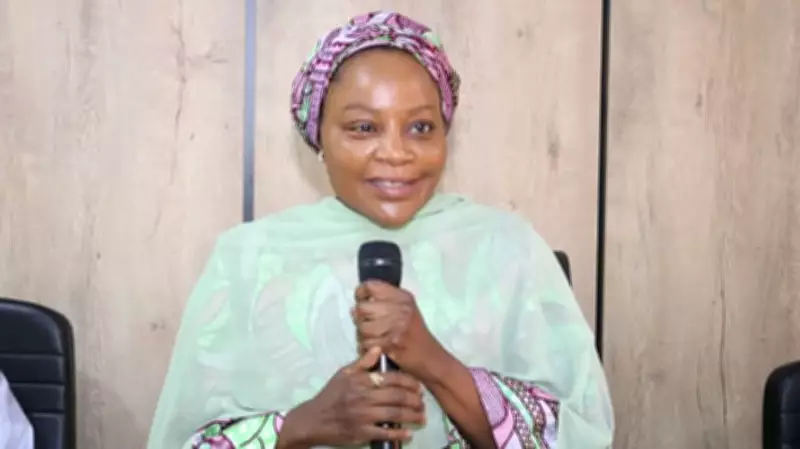
During the opening of a two-day sensitization event on the Implementation of the HOPE-EDU program held yesterday in Kano, UBEC Executive Secretary, Dr. Aisha Garba, provided detailed insights into the intervention. She explained that the program, which has secured $552.18 million in funding from international partners, is designed to complement the government's basic education efforts. Specifically, it will focus on providing technical support, enhancing school enrolment rates, and increasing infrastructure to achieve more impactful and sustainable results in the education sector.
Alignment with National Agenda and Key Objectives
Dr. Garba emphasized that the HOPE-EDU program is closely aligned with President Bola Tinubu's Renewed Hope Agenda, reflecting a strategic push towards educational reform. The program is tailored to empower approximately 500,000 teachers through professional development, construct around 13,000 new classrooms, and facilitate the return of millions of out-of-school children to educational institutions nationwide. This comprehensive approach aims to address both qualitative and quantitative gaps in Nigeria's basic education system.
Operational Framework and State Involvement
Unlike the traditional counterpart funding model typically used between UBEC and SUBEBs, Dr. Garba highlighted that under the HOPE-EDU platform, state boards will be offered grants and technical assistance after meeting specific requirements. She noted that SUBEBs are the key drivers of this program, and the two-day event in Kano brought together heads of SUBEB from North West and North East states to educate participants on the operational and implementation guidelines, ensuring effective rollout and management.
State-Level Commitment and Support
Kano State Commissioner for Education, Dr. Ali Haruna Makoda, expressed the state's readiness to leverage the HOPE-EDU program to significantly improve the quality of teaching and learning in public basic schools. This commitment underscores the collaborative effort between federal and state entities to tackle the out-of-school children crisis, with a focus on regions most affected by educational disparities.