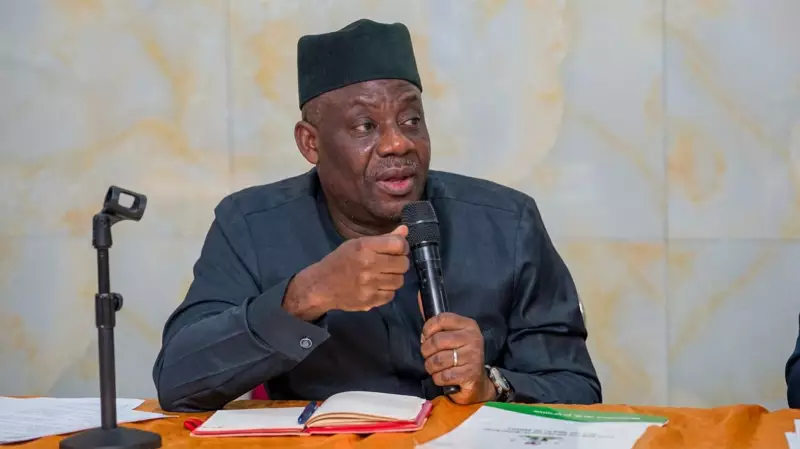
In a significant departure from Nigeria's long history of failed negotiations, the Federal Government, under the leadership of the Minister of Education, Dr. Tunji Maruf Alausa, has successfully brokered a comprehensive agreement with the Academic Staff Union of Universities (ASUU). This deal, announced in January 2026, effectively ends a policy impasse that has plagued the nation's tertiary education sector for 16 years, dating back to the contentious 2009 FGN-ASUU Agreement.
A Break from Cynicism: A New Negotiation Style
For years, announcements of talks between the government and ASUU were met with public cynicism and anticipation of further disappointment. The cycle of strikes, broken promises, and abandoned agreements had eroded trust among students, parents, and academics alike. However, the recent breakthrough carries a different tone, marked by structure, intent, and a palpable seriousness often absent in past engagements.
Dr. Alausa's approach was notably distinct. Eschewing the megaphone diplomacy and ultimatums characteristic of previous negotiations, he championed a method based on listening, realism, and respect. This shift in strategy was critical in moving discussions beyond the entrenched blame game, where one side accused ASUU of using strikes as a blunt weapon and the other blamed successive governments for serial non-compliance.
Key Provisions of the Landmark Agreement
The substance of the agreement addresses core grievances that have fueled industrial actions for nearly two decades. The headline achievement is the implementation of a 40 per cent salary increase for academic staff. This move is more than a statistic; it is a vital intervention aimed at improving the welfare of lecturers, reducing the brain drain, and restoring dignity to the academic profession.
Beyond salaries, the deal introduces a humane pension provision. Professors will now earn a pension equivalent to their annual salary upon retirement at the age of 70. This policy is designed to assure academics of a secure future and demonstrate that the nation values their lifelong contribution.
Perhaps the most transformative element is the establishment of a National Research Council, backed by a commitment to fund it with at least one per cent of Nigeria's Gross Domestic Product (GDP). This provision elevates research funding from a discretionary afterthought to a statutory obligation, promising better laboratories, meaningful grants, and innovation tailored to national development challenges.
The agreement also reinforces university autonomy by insisting that leadership positions like Deans and Provosts be elected from among professors, prioritizing scholarship over political patronage. A crucial clause guaranteeing that no union member will face victimization for their role in the struggle provides much-needed moral assurance and aims to foster genuine healing.
The Crucible of Implementation and Cautious Optimism
While the agreement is a monumental step, seasoned observers are mindful of history. The 2009 pact is a painful reminder that agreements can be signed with fanfare only to stall during implementation. The true test of this breakthrough will be in the timely release of funds, transparent monitoring, and consistent engagement.
To this end, the deal includes strengthened implementation mechanisms, such as an expanded Federal Government Tertiary Institutions Negotiation Committee with legal authority, designed to give the agreement enforceable teeth. Dr. Alausa's demonstrated political will, patience, and respect for institutional memory offer a glimmer of hope that this resolution may not unravel like its predecessors.
Ultimately, the sustainability of this progress requires collective vigilance from students, parents, civil society, and the media. Dr. Tunji Alausa has successfully navigated the negotiation minefield and opened a door to stability. Keeping that door open will demand a shared national commitment to turn this hard-won agreement into tangible improvements in lecture halls, laboratories, and, most importantly, stable academic calendars for Nigeria's public universities.