ASUU UNIJOS Launches Indefinite Strike Over Unpaid March Salary and Allowances
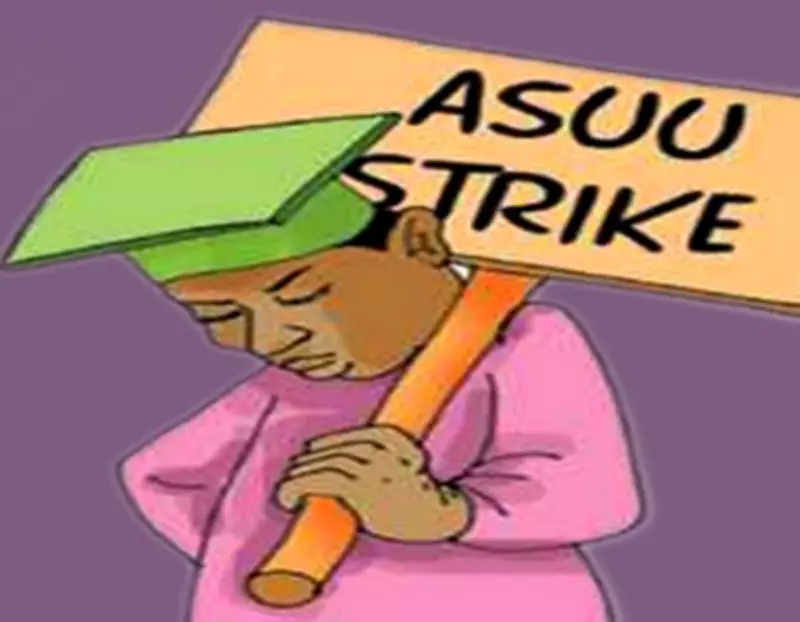
The Academic Staff Union of Universities (ASUU), University of Jos (UNIJOS) Branch, has officially commenced an indefinite strike action. This drastic measure is a direct response to the non-payment of its members' March 2026 salary and the exclusion of the Earned Academic Allowance (EAA) from their remuneration.
Immediate Halt to Academic Activities
In a directive issued to all members on Tuesday, the Union has instructed all academic staff to immediately abstain from lectures, examinations, and statutory meetings. This action took effect from Wednesday, April 8, 2026. The decision follows exhaustive internal processes and consultations, with the Union emphasizing that lecturers have demonstrated considerable patience despite the prolonged delay in payment.
The official notice, signed by Branch Chairperson Jurbe Joseph Molwus, stated: "After following due process, we hereby request all members to abstain from lectures, conduct of exams and statutory meetings as our salary for the month of March 2026 is yet to be paid despite our patience."
Attribution of Payment Delay
ASUU leadership has attributed the salary delay specifically to the Office of the Accountant General of the Federation. The Union clarified that the university's bursary department had completed its part of the payment process, placing responsibility for the holdup squarely on federal authorities.
"From our consultation, the delay is occasioned by the Office of the Accountant General of the Federation as the bursary of the University has done its part in the process of salary payment," the document explained. "It seems our patience is being taken for granted by those who are determined to frustrate industrial harmony."
Strike Enforcement and Compliance
The strike action aligns with existing resolutions of ASUU's National Executive Council (NEC) and the branch congress, making it binding on all members. To ensure full compliance, the branch has activated its strike monitoring team. The Union expressed deep concern that the continued delay suggests a fundamental lack of regard for lecturers' welfare and threatens to undermine industrial harmony within the institution.
Broader National Context of Unfulfilled Agreements
This development at UNIJOS occurs against a backdrop of nationwide frustration among ASUU members. Just one month prior, lecturers from multiple universities across Nigeria voiced their discontent over the Federal Government's failure to fully implement the renegotiated agreement reached with ASUU, which was scheduled to take effect from January 1, 2026.
Institutions affected include:
- University of Abuja (UNIABUJA)
- University of Calabar (UNICAL)
- Federal University of Petroleum Resources, Effurun (FUPRE)
- Federal University of Otuoke
- Federal University of Lafia (FULAFIA)
- Nigerian Maritime University, Okerenkoko (NMU)
- Federal University of Medical and Health Sciences, Kwale (FUK)
- Federal University of Technology Minna
- Alvan Ikoku Federal University of Education
Lecturers from these institutions have highlighted that key provisions of the agreement remain unfulfilled months after the agreed commencement date. These provisions include improved welfare packages, funding commitments, and outstanding allowances.
Erosion of Trust and Threat to Academic Quality
The persistent delay in implementing these agreements has significantly eroded trust between the government and university workers. Furthermore, it has deepened concerns about the long-term sustainability of Nigeria's public university system. Academic staff warn that prolonged government inaction could trigger renewed industrial unrest across multiple campuses unless urgent steps are taken to honor the terms of the agreement.
According to ASUU representatives, consistent implementation of such agreements is critically important. It is essential not only for maintaining industrial harmony but also for safeguarding the quality of teaching, research, and overall academic productivity in Nigerian universities. The current situation at UNIJOS serves as a stark reminder of the ongoing challenges facing higher education in Nigeria and the potential consequences of neglecting academic staff welfare.