Superstar couple Hailey and Justin Bieber have taken legal action against a popular social media content creator, escalating a public dispute over claims made about their private life.
Legal Letter Demands Removal of Videos
The conflict reached a new level when the Biebers' attorney, Evan Spiegel, sent a formal cease and desist letter to TikTok and Instagram personality Julie Theis. The legal document, which was obtained by celebrity news outlet TMZ, accuses Theis of posting what it describes as "outrageous false, fabricated, and defamatory" statements online.
According to the letter, Theis created and shared videos on her platforms that portrayed Justin and Hailey Bieber's relationship as abusive and linked to substance addiction. Spiegel stated these allegations were "highly damaging" to the couple's reputation. The core demand of the cease and desist is for Theis to immediately delete all related content and to permanently stop publishing any material that suggests the Biebers are in an abusive marriage.
TikToker Fights Back, Cites Free Speech
Julie Theis confirmed on Tuesday, January 15, 2026, via a TikTok video that she had received the legal notice from the Biebers' camp. However, she pushed back strongly against the accusations.
Theis insisted that her content was not defamatory. She argued that her videos constituted "clearly opinion-based commentary about relationship dynamics and power." In a statement provided to TMZ, she expressed concern that the famous couple was trying to silence her criticism.
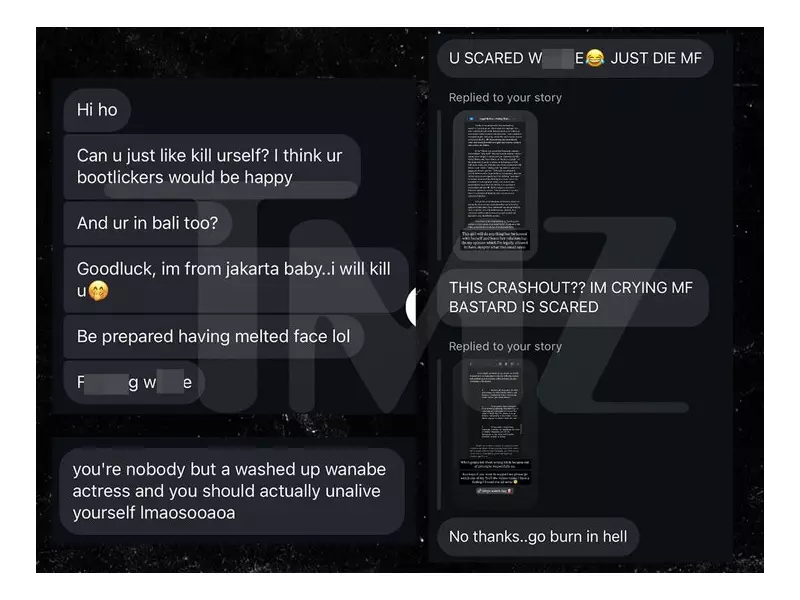
"It's extremely elitist to try to silence opinions just because you disagree. Disagreement is not defamation," Theis said. She also revealed a troubling consequence of the controversy, stating that she has received death threats since the issue gained public attention.
Celebrity Silence and Public Scrutiny
As of now, Hailey and Justin Bieber have not made any public statements regarding the cease and desist or the ongoing dispute. Representatives for the couple did not provide an immediate comment when approached by media outlets.
This legal move highlights the increasing tension between celebrities and social media influencers, where personal commentary can quickly cross into what legal teams define as defamation. The case puts a spotlight on the boundaries of free speech online versus the right of public figures to protect their personal lives from what they deem harmful falsehoods.
The outcome of this dispute could set a precedent for how similar conflicts between internet commentators and high-profile personalities are handled in the future, especially on platforms like TikTok where opinion and allegation can sometimes blur.