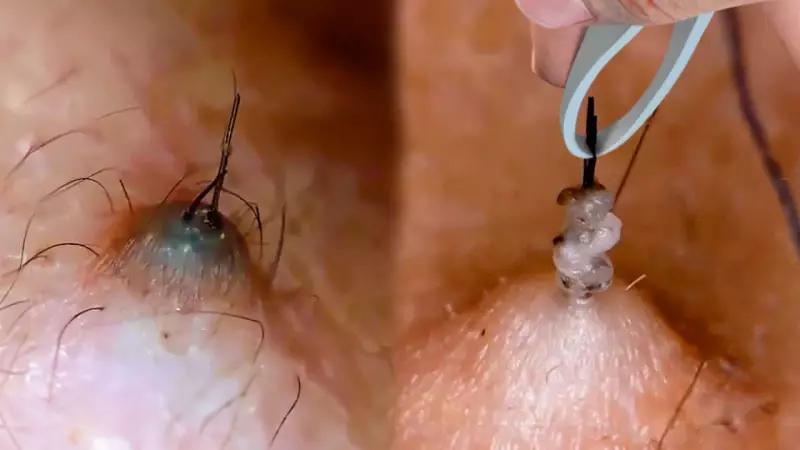
Many Nigerians struggle with painful ingrown hairs that appear after shaving, waxing, or other hair removal methods. These irritating bumps can affect various body areas including legs, armpits, bikini line, chin, neck, and stomach.
The good news is that most ingrown hair cases can be effectively treated at home using simple techniques. With consistent care and proper habits, you can eliminate existing bumps and prevent them from returning.
What Causes Ingrown Hair in Nigerian Climate?
An ingrown hair develops when a hair curls back and grows into the skin instead of rising through the surface. This condition leads to redness, swelling, pain, irritation, and sometimes pus-filled bumps that can be particularly uncomfortable in Nigeria's warm climate.
People with curly and coarse hair textures experience ingrown hairs more frequently, which explains why many Black individuals face this challenge regularly in shaved or waxed areas.
Common triggers include:
- Shaving too close to the skin surface
- Wearing tight clothing that rubs against the skin
- Dead skin cells blocking hair follicles
- Incorrect waxing techniques
- Tweezing hair from the root
- Naturally curly hair that grows sideways
Effective Methods to Remove Ingrown Hair
Gentle exfoliation stands out as one of the most successful approaches for treating and preventing ingrown hairs. When dead skin accumulates, it traps hairs beneath the surface. Removing this layer helps hairs emerge naturally.
You can choose between chemical exfoliants containing salicylic acid, lactic acid, or glycolic acid, or physical exfoliants like sugar scrubs, soft body brushes, or exfoliating gloves. Remember to be gentle since aggressive scrubbing can worsen skin irritation. Aim for exfoliation two to three times weekly, adjusting based on your skin's sensitivity.
Applying a warm compress provides immediate relief by softening the skin and opening pores. Simply soak a clean cloth in warm water and press it against the affected area for five to ten minutes. Repeat this process daily until the bump softens. This soothing method reduces inflammation without requiring picking or squeezing.
Resist the temptation to dig into your skin, as this can cause scarring, dark spots, infection, or push the hair deeper. If the hair lies close to the surface and remains visible, use sterilized tweezers to lift it out gently without plucking completely. When the hair isn't visible, rely on exfoliation and warm compresses instead.
Professional Treatments and Prevention Strategies
Specialized ingrown hair serums and lotions containing active ingredients can significantly reduce inflammation and clear follicles. Look for products with salicylic acid to unclog pores, tea tree oil for antibacterial properties, aloe vera for soothing, witch hazel to reduce swelling, or lactic acid for gentle exfoliation.
If you continue shaving, proper technique becomes crucial for preventing recurring ingrown hairs. Always use a sharp razor and shave in the direction of hair growth. Avoid repeatedly going over the same area and use quality shaving gel or cream. Remember to rinse the blade after every swipe and moisturize after shaving. Change your razor frequently since dull blades drag against skin and increase ingrown hair risk.
When shaving causes persistent problems, consider switching to waxing or laser hair removal. Waxing pulls hair from the root, reducing regrowth over time, while laser hair removal offers a longer-term solution that significantly decreases hair growth. Both methods minimize chances of hairs curling back into the skin.
Wearing loose, breathable clothing around irritated areas speeds healing by reducing friction. This proves especially important around thighs, bikini area, underarms, chest, and stomach where tight clothing commonly worsens ingrown hairs.
Natural Home Remedies for Nigerian Skin
Several home treatments using readily available ingredients can soothe skin and reduce bumps. Fresh aloe vera gel calms redness, while homemade sugar scrubs provide gentle exfoliation. Warm honey applications can reduce inflammation, and diluted tea tree oil fights bacteria effectively.
Always conduct patch tests before applying new treatments, particularly if you have sensitive skin that might react to natural ingredients.
Prevention remains more effective than treatment. Develop consistent habits including regular exfoliation, avoiding daily shaving, using proper shaving techniques, moisturizing after hair removal, wearing breathable clothing, treating skin immediately after shaving or waxing, and never dry shaving. With the right routine, your skin becomes smoother and less prone to bumps over time.
While most ingrown hairs respond well to home care, consult a dermatologist if bumps become extremely painful, fill with pus, spread across skin, don't respond to home treatments, or cause scarring or dark patches. Some cases require prescription creams or minor medical extraction to prevent infection.
Ingrown hairs may be annoying and uncomfortable, but they're manageable with the right approach. Through gentle exfoliation, proper shaving methods, soothing treatments, and consistent aftercare, you can maintain smooth, bump-free skin despite Nigeria's challenging climate.