Scientists Identify 7 Common Foods That May Elevate Cancer Risk
Cancer remains a complex and often frightening disease with numerous types and contributing factors. While not all causes are fully understood, scientific studies indicate that approximately 20% of cancers are associated with lifestyle elements, including diet, obesity, alcohol consumption, and physical inactivity. This underscores how daily dietary choices can significantly impact long-term cancer susceptibility. Based on robust scientific evidence, certain foods and beverages have been linked to an increased risk of developing cancer.
1. Processed Meats: Sausage, Bacon, and Hot Dogs
Processed meats encompass products that have undergone smoking, salting, curing, or canning processes. Common examples include hot dogs, sausage, ham, corned beef, and beef jerky, typically derived from red meat. The World Health Organization categorizes processed meat as a Group 1 carcinogen, placing it in the same classification as tobacco, though with differing risk levels. The processing methods can generate cancer-causing compounds; for instance, curing with nitrites may form N-nitroso compounds, while smoking can produce polycyclic aromatic hydrocarbons (PAHs). A 2019 review further connected processed meat consumption to stomach cancer.
2. Sugary Drinks: Soft Drinks and Energy Drinks
Frequent intake of sugary beverages, such as soda, sweetened fruit drinks, and energy drinks, is correlated with obesity, a well-established risk factor for cancers including breast and liver cancer. This represents an indirect yet significant link. Additionally, some research suggests that high sugar consumption may induce inflammation, creating a chronic inflammatory environment that can foster cancer development.
3. Alcohol: Even in Moderate Consumption
Alcohol is classified as a carcinogen, and even occasional drinking poses more harm than benefit. When the body metabolizes alcohol, it produces acetaldehyde, a toxic chemical capable of damaging DNA. Cancers associated with alcohol include breast cancer, liver cancer, and mouth and throat cancers. The risk escalates with higher quantities, and there is no entirely safe level of alcohol consumption.
4. Highly Processed Foods: Instant Noodles and Packaged Snacks
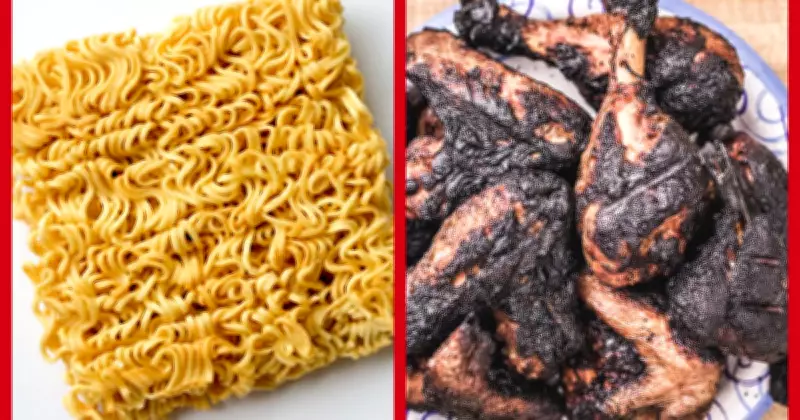
Ultra-processed foods, like instant noodles and packaged snacks, are widely available, convenient, and often addictive. These products frequently contain artificial additives, preservatives, refined sugars, and fats. A comprehensive study published in the BMJ found that increased consumption of ultra-processed foods was associated with a heightened risk of cancer, particularly breast cancer.
5. Red Meat: Beef, Goat, and Pork
Regular consumption of red meats, such as beef, goat meat, or pork, especially when grilled or fried at high temperatures, can lead to the formation of harmful compounds like heterocyclic amines (HCAs) and polycyclic aromatic hydrocarbons (PAHs). These chemicals have the potential to damage DNA, increasing cancer risk.
6. Burnt or Charred Foods
Cooking foods at very high temperatures, particularly over open flames, can generate carcinogenic compounds. Examples include burnt edges on suya, over-grilled chicken, and charred toast. While grilled foods need not be entirely avoided, it is advisable to steer clear of blackened or heavily burnt portions.
7. Excess Salt and Salt-Preserved Foods
While salt enhances flavor, excessive intake can damage the stomach lining, making it more susceptible to carcinogens. Salt-preserved foods, such as heavily salted fish or pickled items, have been linked to stomach cancer, especially in diets where salt is a primary preservation method.
Should You Completely Eliminate These Foods?
Not necessarily. Occasional consumption may be acceptable, but for optimal health, it is best to minimize intake and prioritize a balanced diet. Emphasize fresh foods, fruits, vegetables, whole grains, and lean proteins to support overall well-being and reduce cancer risk.