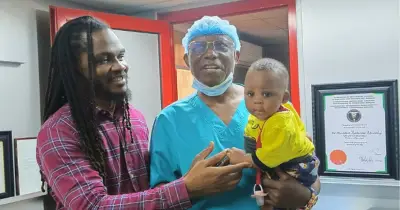
Medical specialists have issued a fresh and urgent appeal for stronger policies and increased public awareness to reduce the heavy burden of sickle cell disease across Nigeria. The calls were made during a recent blood donation and advocacy event in Abuja, highlighting the critical gaps in care and support for affected individuals.
Foundations Built on Loss, Fighting Misinformation
Senami Ohiomokhare, the Executive Director and Co-Founder of the Jephthah Ohiomokhare Sickle Cell Foundation (JOSCF), addressed attendees at the event themed "Blood for Life: Advancing Sickle Cell Care in Nigeria." She pinpointed widespread misinformation and deep-rooted myths as primary barriers to effective disease management.
Ohiomokhare established the foundation after her son, Jephthah Ohiomokhare, died on February 4, 2017, from complications related to sickle cell disease. She explained that the initiative aims to honour his memory and prevent other families from enduring similar pain.
"Sickle cell disorder is manageable with proper care," Ohiomokhare stated, urging an end to the stigma and discrimination faced by patients. She emphasized that the disease is often a result of personal choices, making it crucial for couples to understand their genotypes before starting a family to prevent avoidable suffering.
Nigeria's Alarming Statistics and Specialist Shortage
Ms Rebi Maidunama, President of the Pan-Africa Sickle Cell Federation, revealed a staggering fact: Nigeria carries the world's highest burden of sickle cell disease. Approximately 25 per cent of Nigerians are either carriers or live with the condition.
She advised couples to undergo joint genotype testing and, for accuracy, consider repeating tests at different laboratories. "Knowing your genotype is essential, but couples must act responsibly to prevent the birth of children with severe sickle cell disease," Maidunama cautioned.
Adding to the concern, Dr Tosin Dokpesi, Executive Director of TAD Foundation and former Managing Director of AIT, highlighted a severe shortage of medical experts. She noted that while Nigeria is home to about 150,000 of the estimated 300,000 global sickle cell births annually, the country has only around 300 specialist doctors to manage these cases.
A Call for Sustained Government Action and Personal Responsibility
Dr Dokpesi strongly criticised the government's inconsistent approach to health initiatives. "Policies must be implemented, not left in files. Projects that positively affect lives should be sustained, not abandoned," she asserted, calling for programmes that match the scale of the national challenge.
She also encouraged all Nigerians to regularly check their blood groups and genotypes using modern diagnostic tools. Furthermore, Dokpesi warned against using human rights arguments to justify avoidable reproductive decisions that lead to lifelong health consequences for children.
The event underscored the vital need for voluntary blood donation, a lifeline for many patients requiring frequent transfusions. Experts unanimously agreed that a multi-pronged strategy involving public education, accurate testing, sustained policy implementation, and increased specialist training is non-negotiable to turn the tide against sickle cell disease in Nigeria.