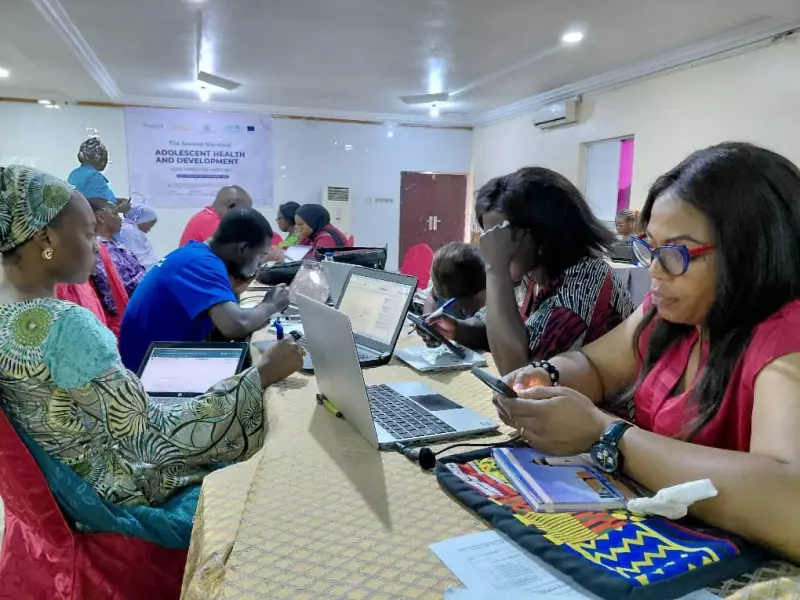
In a significant move to improve the well-being of young Nigerians, the non-governmental organisation Hacey has introduced a comprehensive scorecard framework designed to prioritise and monitor adolescent and young people's sexual and reproductive health. The framework was unveiled during the Second National Bi-Annual Health and Development Sub-Committee meeting, held on Tuesday and Wednesday in Karu Local Government Area of Nasarawa State.
Detailing the SRHR Impact Plus Project's Achievements
Presenting the NGO's progress report, Ms Rhoda Robinson, the Executive Director of Hacey, outlined the substantial impact of its SRHR Impact Plus Project. The two-day meeting was organised by the Federal Ministry of Health and Social Welfare in collaboration with Hacey and the United Nations Children's Fund (UNICEF). It brought together key stakeholders, including federal and state health officials and representatives from NGOs focused on adolescent health.
Robinson detailed a series of concrete achievements. Beyond training 100 medical providers to deliver youth-friendly Sexual and Reproductive Health and Rights (SRHR) services in tertiary institutions, Hacey has also strengthened the capacity of 600 Civil Society Organisations (CSOs) and youth champions. This training focuses on designing community-specific SRHR programmes and promoting information and services among peers in schools and communities.
The organisation has also launched innovative physical and digital spaces to support young people. This includes the 'Tombey' SRHR Resource Center, a safe space offering tools, literature, and mentorship. Furthermore, Hacey has established three media labs in Lagos, Osun, and Oyo States, which are freely available for use by youth advocates and CSOs. Through advocacy campaigns on radio, digital media, blogs, and community platforms, trained youth-advocate CSOs have reached an impressive 10 million adolescents and youths nationwide.
Identifying Challenges and Crafting Solutions
To ground its work in reality, Hacey conducted extensive consultations, engaging over 200 youths and CSOs across 10 states to understand the core challenges facing adolescent health in Nigeria. These consultations provided actionable insights into awareness gaps, stigma, access barriers, and service readiness. A dedicated media campaign, "Own your health," has also generated 60,000 interactions.
In an interview, Mrs Opeyemi Makanjuola, Sexual Reproductive Health Manager at Hacey, highlighted the persistent gap in access. "Due to a lack of adequate youth-friendly centres, there are still a lot of challenges and gaps when it comes to addressing adolescent health issues," she stated. She explained that the new scorecard is a strategic tool to track progress and pinpoint areas of major concern.
To bridge the access gap, Hacey strategically targeted centres close to young people. "We realised that tertiary institutions are the hub of youths... and we started training the health centres in some of the tertiary institutions in the country on how to offer SRHR services to young Nigerians," Makanjuola added.
A Collective Call for Action and Commitment
Stakeholders at the meeting praised Hacey's efforts in reshaping the narrative around adolescent health. Prominent figures like Dr Ovuoraye John, Acting Director of Family Health at the Federal Ministry of Health, and Prof. Adesegun Fatusi, Chairman of the National Technical Working Group on Adolescent Health, were in attendance.
They joined Hajiya Fatima Adamu, Co-Chair of the TWG on Adolescent Health, in issuing a strong call for greater commitment from the government, donor partners, and all critical stakeholders. They advocated for a significant increase in the number of youth-friendly health centres across Nigeria, tailored specifically to meet the needs of young people.
Hajiya Fatima Adamu emphasised the collective responsibility to serve adolescents, especially girls in rural areas. "This group from poor families don’t know where to go or don’t have the resources to access those services. We know not everything is free. So it’s a collective responsibility to ensure our young girls do have access to the services they desire and need," she concluded.