Two stark warnings from leading global health bodies have placed Africa on high alert, highlighting a looming catastrophe that threatens to reverse decades of progress in child survival and HIV management.
A Dire Forecast for Africa's Children
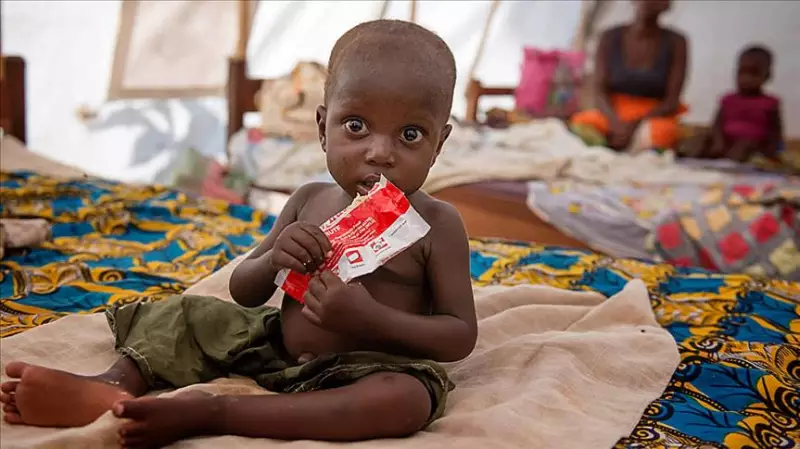
In a sobering report released on December 1, 2025, the United Nations Children's Fund (UNICEF) projected a devastating future. If current trends of funding shortages and weak health systems continue unchecked, Africa could see up to 1.8 million child deaths every year by 2040. This projection comes just as the world had celebrated significant reductions in child mortality over the past twenty years, thanks to expanded vaccination, fewer malaria deaths, and better care for newborns and mothers.
However, these gains are now under severe threat. Erratic funding for child health programmes, rising vaccine hesitancy driven by misinformation, and the escalating impacts of climate change are creating a perfect storm. Climate change is worsening malnutrition, fuelling disease outbreaks, and displacing communities. Meanwhile, growing poverty due to conflict, inflation, and economic instability is pushing families into deeper vulnerability.
Compounding the crisis is Africa's rapidly growing population, which means more children will be born into health systems that are already overstretched and critically underfunded. The UNICEF warning is clear: without urgent intervention, the continent risks wiping out 20 years of hard-won progress.
The Stalled Fight Against HIV
Just days before the UNICEF alert, the World Health Organisation (WHO) and the Joint United Nations Programme on HIV/AIDS (UNAIDS) issued a joint call to action. They urged African nations to renew their political commitment to ending HIV, pointing to a dangerous slowdown in prevention, treatment, and public health investment across the continent.
This slowdown is particularly alarming given that Africa bears two-thirds of the world's new HIV infections. The global momentum toward eliminating the virus has stalled, putting many African countries off-track to meet the 2030 target of ending AIDS as a public health threat. This is deeply frustrating because the tools for success exist: antiretroviral therapy (ART) is highly effective, prevention of mother-to-child transmission has proven successful, and pre-exposure prophylaxis (PrEP) works.
The Root Causes: Funding and Political Will
At the core of both crises lies a critical failure in investment. Global funding is declining due to donor fatigue and shifting international priorities toward conflicts and other global crises. However, Africa cannot rely solely on external donors to safeguard its future.
The fundamental issue is the weakness of primary healthcare systems. Many rural communities lack accessible clinics, pregnant women often give birth without skilled help, and nutrition programmes are inconsistent. Weak water and sanitation infrastructure and periodic disruptions to routine immunisation further cripple the frontline defence against disease.
Strengthening this foundation does not require advanced technology but sustained political commitment, trained community health workers, reliable supply chains, and predictable financing. Nigerian leaders and others across the continent are reminded of the Abuja Declaration commitment to allocate at least 15% of national budgets to health—a pledge that must be honoured.
The health of children and the HIV epidemic are inextricably linked. Adolescents account for a growing share of new HIV infections, and children born to HIV-positive mothers are at risk without proper care. Communities ravaged by HIV often have weakened family structures, leaving children more vulnerable to malnutrition and disease.
Pathway to Prevention: An Urgent Call to Action
To avert the grim future forecasted by UNICEF and revitalise the fight against HIV, African governments must act decisively and immediately. Key steps include:
- Prioritise health funding in national budgets to meet the Abuja Declaration target.
- Strengthen primary healthcare access with functioning clinics, trained personnel, and reliable medicine supplies.
- Restore and expand HIV programmes, focusing on young people, pregnant women, and key populations.
- Leverage digital health tools and telemedicine to improve system efficiency and disease surveillance.
- Launch coordinated campaigns to combat health misinformation surrounding vaccines and HIV prevention.
- Integrate climate resilience into health policy to address its impact on food security and disease patterns.
The potential loss of 1.8 million children annually is more than a statistic; it is a direct threat to Africa's future stability and development. No economy can thrive with a workforce weakened by preventable disease, and no society can prosper when its youth are denied basic health rights.
The warnings from UNICEF, WHO, and UNAIDS present this generation of leaders with a defining choice: act now with bold, strategic, and uncompromising commitment to human life, or condemn millions to unnecessary suffering. The time for rhetoric is over; the time for action is now.