Tragic Suicide Follows Failed Dental Procedure in Turkey
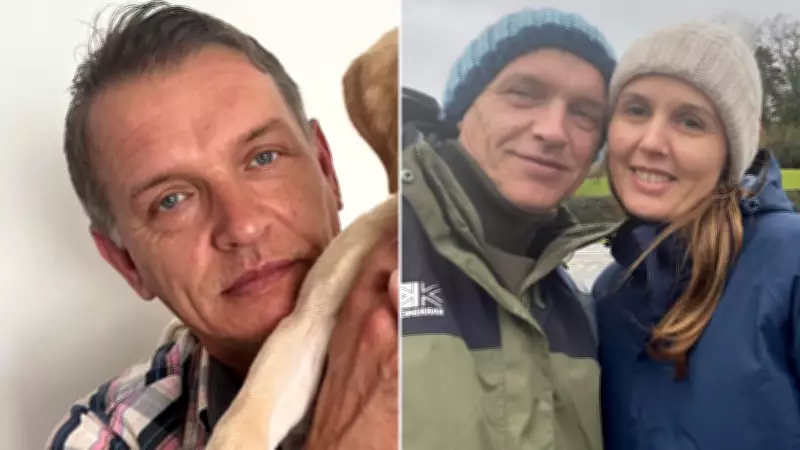
A 48-year-old father-of-three took his own life after a catastrophic dental treatment in Turkey left him without teeth and plunged him into a profound mental health crisis, a coroner's inquest has revealed.
Failed Treatment and Emotional Devastation
Pawel Bukowski traveled to Turkey seeking relief from years of suffering with periodontal disease, expecting to have his teeth removed and replaced with dental implants. However, after the extractions were completed, the clinic sent him back to the United Kingdom without providing dentures and instructed him to wait six months before the next phase of treatment could begin.
His wife, Daria Bukowska, testified at the hearing about the devastating emotional impact this experience had on her husband. "Unfortunately, after removing all of his teeth, the clinic told him they could not proceed further," she stated. "They sent him home without any teeth and told him to return in six months. This was emotionally devastating for him."
Mrs. Bukowska described how her husband's spirit was completely broken by the experience. "He was deeply broken emotionally, losing his teeth had destroyed his self-confidence and sense of hope," she explained. "Despite our constant support, from me and his daughters, he was slipping away from us."
Rapid Deterioration and Missed Opportunities
The inquest heard that Mr. Bukowski's condition deteriorated rapidly following the failed dental procedure. His mental health worsened significantly, and his ability to eat was severely affected by the absence of teeth.
"He lost all hope that things could improve," his wife told the court. "Despite all our efforts to support him, we were ultimately unable to save him."
Medical professionals who later assessed Mr. Bukowski described him as "hopeless with a strong suicidal ideation" and identified several risk indicators. However, he was not admitted for inpatient mental health care at that critical time.
Systemic Failures in Support Services
Mrs. Bukowska criticized the support systems that failed her husband during his crisis. "He was never given anything to help with the withdrawal symptoms," she testified. "He was not given the medication he needed to keep him going for a few days. Workers did not show up, did not call us back, and finally were late."
She emphasized how these systemic failures contributed to the tragic outcome. "The accumulation of these things, the lack of communication, ultimately lead to where we are today," she stated. "Pawel was failed at crucial points. I hope that this is never repeated."
Coroner's Findings and Investigation
Area Coroner Johanna Thompson recorded a conclusion of suicide, noting that "there is evidence of Pawel's intent to end his life in the messages and notes he left."
The coroner highlighted how the failed dental treatment had a profound effect on Mr. Bukowski's wellbeing, stating that he "developed worsening mental health after undergoing the poor dental treatment abroad" and began consuming excess alcohol, which further deteriorated his condition.
An investigation conducted by the Norfolk and Suffolk NHS Foundation Trust identified important lessons to be learned from this tragedy. Coroner Thompson noted that the decision not to admit Mr. Bukowski when he presented with serious mental health concerns "may have been a missed opportunity" for more intensive care and intervention.
Family's Heartbreaking Tribute
In a moving tribute to her late husband, Mrs. Bukowska shared: "Pawel was my beloved husband... a good man, a loving husband and a devoted father. We miss him terribly and I deeply regret that we couldn't help him in time."
The case has raised serious questions about:
- The quality and follow-up care for medical tourism procedures
- Mental health support systems for patients experiencing traumatic medical outcomes
- Communication between healthcare providers and patients in crisis situations
- The need for more comprehensive care coordination for complex medical cases
This tragic story serves as a sobering reminder of the interconnectedness of physical and mental health, and the devastating consequences that can occur when support systems fail vulnerable individuals during medical crises.