Benue State Government Declares Lassa Fever Outbreak Amid Rising Cases
The Benue State Government has officially declared an outbreak of Lassa fever, a move prompted by the recording of no fewer than 56 suspected cases across various parts of the state. This declaration was made on Tuesday, February 3, by the Commissioner for Health and Human Services, Paul Ogwuche, who emphasized that the situation has necessitated the activation of an emergency public health response to contain the spread of the disease.
Rising Cases and Fatalities Trigger Alarm
Speaking with journalists in Makurdi, Commissioner Ogwuche disclosed that the decision to formally declare the outbreak followed a noticeable increase in both suspected and confirmed cases, including fatalities, in different areas of Benue State. He cited epidemiological data from the ministry, revealing that the total number of suspected cases has climbed to 56, with eight laboratory-confirmed cases and three deaths recorded among confirmed patients. Additionally, one probable death is currently under investigation.
"This figure indicates a high case fatality rate among confirmed cases, raising serious concern among health authorities," Ogwuche stated. The outbreak has already impacted frontline health workers, with four medical personnel—three nurses and one community health worker—infected, highlighting the risks faced by healthcare providers.
Emergency Measures and Public Health Response
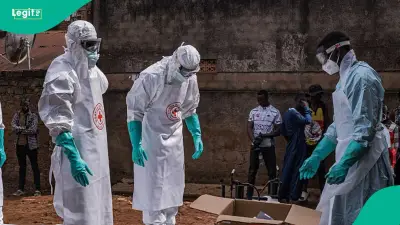
In response to the escalating situation, the Benue State Government has activated the Public Health Emergency Operations Centre to coordinate comprehensive efforts across all 23 local government areas. This includes:
- Enhanced surveillance and monitoring of cases
- Effective case management and treatment protocols
- Rigorous contact tracing to identify potential exposures
- Public sensitization campaigns to educate residents
Ogwuche stressed that this response is driven by Governor Hyacinth Alia's concern for the health and wellbeing of residents, underscoring the need for strict adherence to Infection Prevention and Control measures in all health facilities to protect both patients and medical staff.
Transmission Risks and Symptoms to Watch For
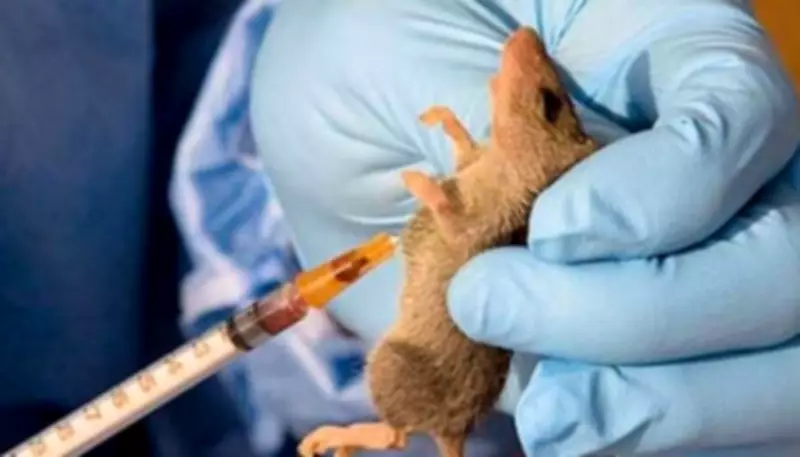
The commissioner urged residents to remain calm but vigilant, explaining that Lassa fever is primarily transmitted through contact with infected rodents or their urine and droppings. He added that the disease can also spread from person to person, particularly in healthcare settings where infection control practices are inadequate.
Common symptoms of Lassa fever include:
- Persistent high fever
- Severe headache and muscle pain
- Sore throat, vomiting, and diarrhoea
- Unexplained bleeding in severe cases
Ogwuche advised residents to maintain proper environmental hygiene, store food safely to prevent rodent infestation, avoid self-medication, and seek immediate medical attention if symptoms develop. "Early detection and treatment significantly improve survival outcomes," he noted.
Tribute to Fallen Healthcare Worker and Call to Action
In a somber note, the commissioner paid tribute to a Benue-born medical doctor who recently died of Lassa fever while serving in Jos, Plateau State, describing the incident as a painful reminder of the daily risks faced by healthcare workers. This underscores the urgency of the outbreak, which follows reports of the disease spreading over the past few weeks, with the state government confirming two deaths recorded about two weeks ago.
Residents are urged to promptly report suspected cases through the Benue State Lassa fever emergency hotline on 0803-929-4999 or to the nearest Disease Surveillance and Notification Officer. The government's proactive measures aim to curb further transmission and safeguard public health in the region.