Lassa Fever Outbreak in Benue State Claims Two Lives as Cases Increase
The health situation in Benue State has taken a concerning turn with the confirmation of two fatalities from Lassa fever. This development comes just one week after seven initial cases of the viral hemorrhagic disease were reported, bringing the total number of suspected infections in the state to nine.
Official Confirmation and Case Details
State Commissioner for Health, Paul Ogwuche, made this troubling announcement on Thursday, January 22, during a briefing in Makurdi. He revealed that the state has been experiencing a steady increase in Lassa fever cases over the past two weeks, indicating a growing public health challenge.
"As we speak now, there are nine suspected cases of Lassa fever in our dashboard. About five are positive, and unfortunately, two of them have resulted in mortality," Commissioner Ogwuche stated during the press conference.
Geographical Distribution and Healthcare Worker Infections
The commissioner provided specific details about the outbreak's geographical spread, noting that cases are largely concentrated in two local government areas. "The cases involved are in Buruku and Makurdi LGAs. Two cases came from Buruku but were diagnosed in Makurdi," he explained.
Of particular concern is the infection of healthcare workers, with Ogwuche confirming that "there are also cases involving two health workers," highlighting the occupational risks faced by medical personnel during such outbreaks.
Emergency Response Activation
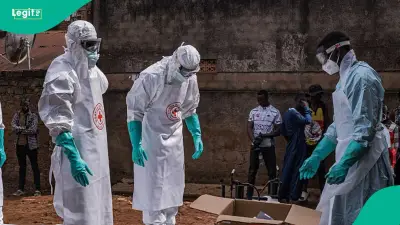
In response to the escalating situation, the Benue State government has activated comprehensive emergency response mechanisms. "As a ministry, we have responded appropriately. We have our incident rapid response team, activated our Public Health Emergency Operations Centre, and put in place all necessary mechanisms," the commissioner assured the public.
Public Health Advisory and Prevention Measures
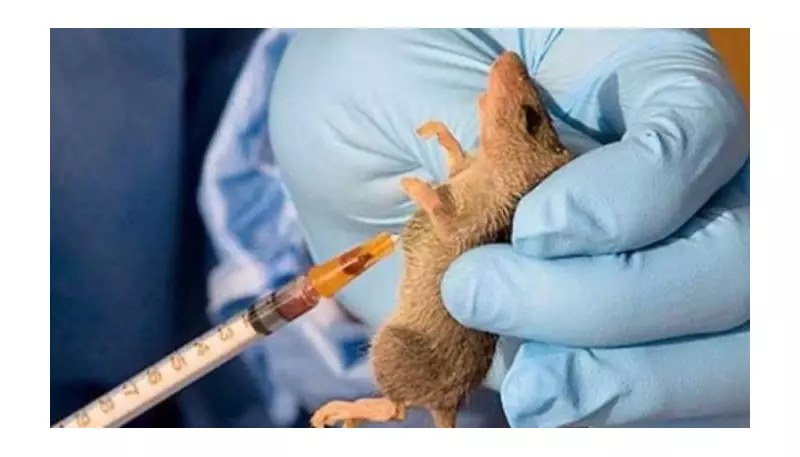
Commissioner Ogwuche issued crucial public health advice, emphasizing the importance of hygiene and sanitation in preventing further spread of the disease. "The people must pay attention to hygiene and sanitation. Avoid rodents, especially rats," he cautioned.
He provided specific seasonal context, noting that "during the dry season, when grasses are burnt, rodents seek shelter in homes. If food, especially raw food items, is left uncovered, it" creates conditions favorable for disease transmission.
Enhanced Surveillance and Early Detection
The health commissioner detailed the state's enhanced disease surveillance efforts, explaining that "we have disease surveillance officers in all LGAs, and we have heightened their level of suspicion." He emphasized that "one of the best ways to manage Lassa fever is early diagnosis and treatment," underscoring the importance of prompt medical intervention.
Asymptomatic Cases and Isolation Protocols
Regarding the newly diagnosed cases, Ogwuche noted an important clinical detail: "The two cases are not symptomatic, but we want to take them into isolation so we can commence all management protocols." This precautionary approach demonstrates the state's commitment to containing the outbreak through proactive measures.
Symptom Awareness and Reporting
The health authorities have called on residents to be vigilant and report specific symptoms promptly. These include:
- Prolonged fever
- General weakness and fatigue
- Bleeding from any part of the body
Multi-Stakeholder Collaboration
To strengthen containment efforts, the ministry plans to convene a comprehensive stakeholders' meeting involving key health institutions and partners. "We are involving the Federal Medical Centre, which hosts the molecular laboratory, the Teaching Hospital where the state isolation centre is located, the World Health Organisation, state epidemiology teams, and donor partners to ensure this deadly disease is contained," Ogwuche explained.
This collaborative approach aims to leverage all available resources and expertise to effectively manage the Lassa fever outbreak in Benue State and prevent further loss of life.