Global Health Alert as WHO Confirms New Nipah Virus Cases in India
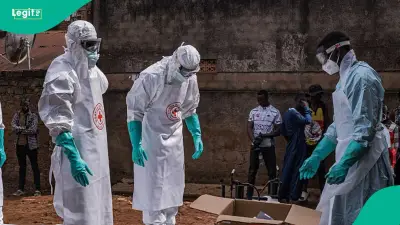
The World Health Organization (WHO) has officially confirmed new cases of the deadly Nipah virus in eastern India, specifically in West Bengal. This development has triggered heightened global health surveillance and alert measures across multiple countries, including Nigeria. The confirmation involves two healthcare workers, with health authorities actively tracing at least 196 contacts to contain potential spread.
Understanding the Nipah Virus Threat
Nipah virus is a rare but highly lethal zoonotic infection, first identified in Malaysia in 1998. It belongs to the same virus family as measles but is significantly more deadly, with a fatality rate ranging from 40% to 75% among those infected. Despite being less contagious than some other viruses, its high mortality rate and potential for human-to-human transmission make it a serious public health concern.
Transmission Pathways and Risk Factors
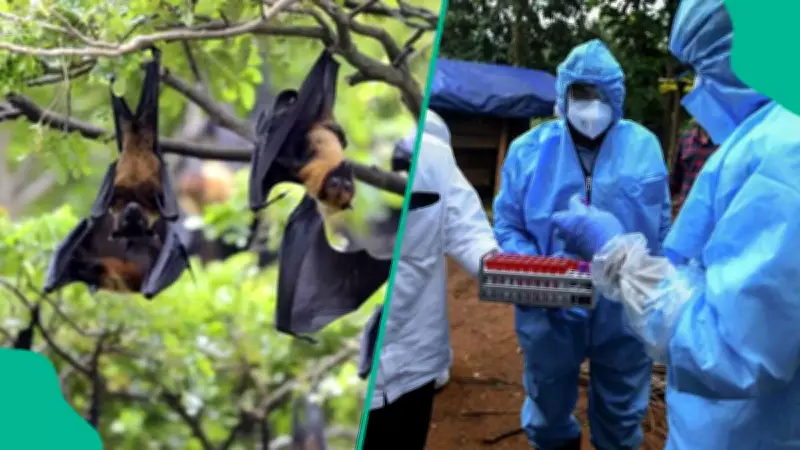
The virus primarily spreads from animals to humans, with direct contact with infected fruit bats or pigs being the most common transmission route. Human infection can also occur through consumption of fruits or raw date palm sap contaminated with saliva or urine from infected bats. In healthcare and household settings, close physical contact can facilitate person-to-person transmission, particularly where infection control practices are weak or hospitals are overcrowded.
Symptoms and Health Complications
The incubation period for Nipah virus typically ranges from four to fourteen days, though rare cases extending up to 45 days have been documented. Initial symptoms resemble influenza and include:
- Fever and headache
- Muscle pain and sore throat
- Vomiting and general malaise
In many patients, the disease rapidly progresses to severe neurological complications within five to seven days, including:
- Brain swelling (encephalitis)
- Confusion and seizures
- Coma and respiratory difficulties
Medical imaging often reveals brain tissue damage, and survivors may experience long-term neurological problems, persistent fatigue, and lasting nervous system damage.
Current Treatment Limitations and Prevention Focus
There is currently no approved vaccine or specific antiviral treatment for Nipah virus infection. Medical management is limited to supportive care, including respiratory support for patients with severe symptoms. While the antiviral drug ribavirin has shown mixed results in some cases, it is not considered a definitive treatment. Consequently, public health officials emphasize prevention, early detection, and strict infection control measures as primary strategies.
Global Response and Surveillance Measures
WHO classifies Nipah among its top ten priority diseases capable of causing major outbreaks, citing its high death rate, transmission potential, and lack of proven treatments. In response to the Indian cases, several countries have implemented enhanced surveillance:
- Thailand and Nepal have begun screening travelers at airports and border points receiving passengers from affected regions
- The United Kingdom's Health Security Agency confirmed ongoing Nipah research and testing model development, though no cases have been reported there
- Jersey's Director of Public Health emphasized that while traveler risk remains low, individuals developing symptoms should seek medical attention and report travel history
African Context and Nigerian Preparedness
Although no Nipah cases have been reported in Nigeria, health experts note concerning factors. Fruit bats linked to the virus have been identified in parts of Africa, including Ghana, raising awareness about potential future risks. WHO has stressed the importance of surveillance, public awareness, and early response mechanisms to prevent cross-border spread. Globally, approximately 754 cases had been reported as of 2024, though experts believe underreporting may mean the true number is higher.
Broader Implications for Global Health Governance
The Nipah virus alert coincides with significant developments in international health governance. The United States has officially withdrawn from the World Health Organization, with officials citing concerns about the WHO's handling of COVID-19 and perceived deficiencies in reform, accountability, and transparency. This move, executed under an executive order signed one year earlier, represents a major shift in global health leadership dynamics.
As new cases are confirmed in India and international monitoring intensifies, health authorities across multiple regions maintain high alert levels. The situation underscores the ongoing challenges of managing emerging infectious diseases in an interconnected world, where local outbreaks can quickly become global concerns requiring coordinated response and vigilance.