The Nigerian Senate has taken decisive action, ordering an immediate and comprehensive emergency response to a severe lead poisoning crisis in the community of Ogijo, which straddles the border between Lagos and Ogun states. The directive came on December 4, 2025, following alarming reports linking the contamination to local battery recycling operations.
A Public Health Emergency Declared
Describing the situation as a public health emergency, the upper legislative chamber summoned key government officials to account for the escalating crisis. Those summoned include the Ministers of Environment, Health, Solid Minerals, and Labour and Employment, as well as the Director General of the National Environmental Standards and Regulations Enforcement Agency (NESREA).
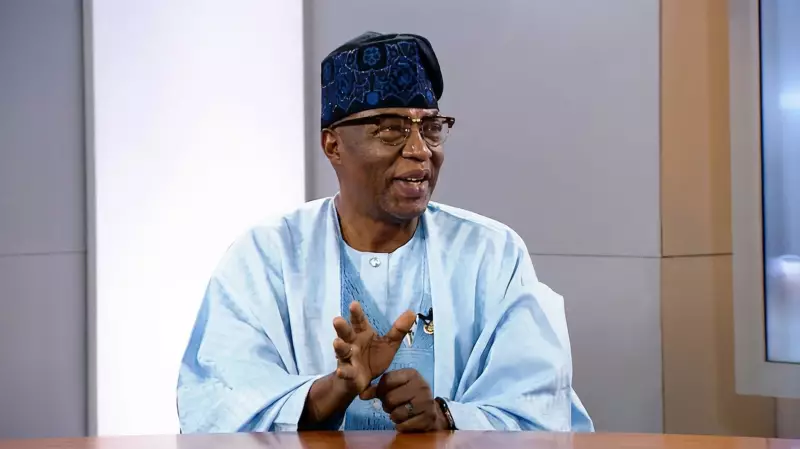
The motion was sponsored by Senator Mukhail Adetokunbo Abiru and co-sponsored by Senator Gbenga Daniel, who represents Ogun East. Senator Abiru presented chilling evidence to the chamber, revealing that contamination levels in Ogijo had reached a staggering 186 times the internationally accepted safety limits.
Human Toll and Global Reach of Contamination
Senator Abiru painted a grim picture of the community's suffering, detailing symptoms consistent with prolonged lead exposure. "Children are dying slowly. Families have lived for years under poisonous smoke and dust," he told his colleagues. Residents, including women and factory workers, have reported severe health issues such as:
- Chronic headaches
- Seizures
- Memory loss
Independent investigations confirmed the severity through blood tests and soil sampling. Shockingly, Abiru noted that processed lead from Ogijo had already entered global supply chains, amplifying the scale of the problem. While acknowledging the Federal Government's closure of seven recycling factories and suspension of lead exports, he stressed that exposure in the community continues to be extreme and unacceptable.
Senate's Comprehensive Resolution and a Historical Echo
The Senate resolved on a multi-agency intervention plan to tackle the crisis. Key resolutions include:
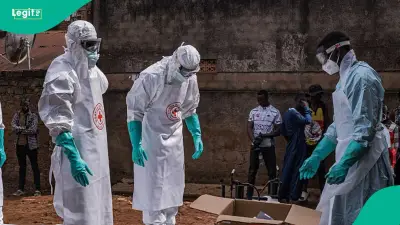
- Deployment of medical teams from the Nigeria Centre for Disease Control and Prevention (NCDC) to conduct toxicology screening, blood-lead testing, and treatment.
- A directive to the Federal Ministry of Environment and NESREA to carry out full remediation of contaminated soil, groundwater, and household dust.
- Tasking the National Emergency Management Agency (NEMA) with providing relief materials, temporary relocation for affected families, and establishing a National Lead Poisoning Response and Remediation Office.
Senate President, Senator Godswill Akpabio, drew a parallel to a tragic historical precedent from the 1980s in Akwa Ibom State. He recounted how lead contamination from a battery plant seeped into a local river, drastically reducing life expectancy in the affected community to below 40 years. "People did not know that this was from lead poisoning," he lamented, underscoring the need for urgent awareness and action.
The motion was adopted by a voice vote. To ensure accountability, the Senate Committee on Legislative Compliance was instructed to monitor and ensure the full implementation of all resolutions within two months.