Florida Couple Files Lawsuit Over Alleged IVF Embryo Mix-Up at Orlando Clinic
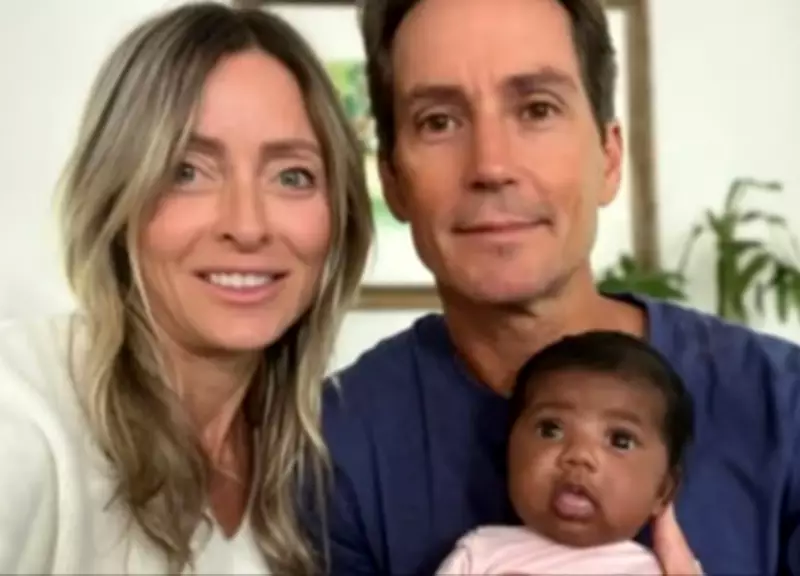
A Caucasian couple from Florida has initiated legal action against a prominent fertility clinic following what they describe as a devastating medical error during in vitro fertilization treatment. Tiffany Score and Steven Mills allege that the Fertility Centre of Orlando mistakenly implanted another patient's embryo into Score's uterus, resulting in the birth of a child who displays physical characteristics of a non-Caucasian racial background and shares no genetic relationship with either parent.
Details of the Alleged Medical Error
The lawsuit, filed in Orange County Circuit Court, names IVF Life, Inc. and its lead reproductive endocrinologist, Dr. Milton McNichol, as defendants. According to court documents, the couple had stored three viable embryos at the clinic in 2020, created through in vitro fertilization for future use. Five years later, in April 2025, one embryo was implanted during what should have been a routine procedure.
Score gave birth to what the lawsuit describes as a "beautiful, healthy female child" on December 11, 2025. However, the parents immediately noticed discrepancies in the infant's physical appearance. Both parents identify as Caucasian, while the newborn displayed features consistent with a non-Caucasian racial background, prompting immediate concern and subsequent genetic testing.
Genetic Testing Confirms No Biological Relationship
Comprehensive genetic analysis confirmed the couple's worst fears: the child has no genetic relationship whatsoever to either Tiffany Score or Steven Mills. This revelation has triggered a complex legal and emotional situation, as the couple has developed what court papers describe as an "intensely strong emotional bond" with the child during pregnancy and since birth.
The couple's attorney, John Scarola, sent a formal letter to the clinic on January 5, demanding that the facility take immediate steps to reunite the baby with her genetic parents and provide a complete explanation regarding the whereabouts of his clients' embryos. The lawsuit expresses particular concern that another patient may have received the couple's biological embryo and could potentially be pregnant with or raising their genetic child.
Legal Proceedings and Emergency Court Action
The lawsuit seeks emergency court intervention, requesting that a judge order the clinic to:
- Alert all potentially affected patients about the possible embryo mix-up
- Pay for widespread genetic testing to identify other impacted families
- Disclose whether additional patients may have been affected by similar errors
An emergency hearing took place on Wednesday, January 28, before Judge Margaret Schreiber. During the proceedings, Scarola argued that the error could have occurred either during the initial embryo storage in 2020 or during the implantation procedure in 2025. He requested five years of clinic-funded genetic testing for affected parties and described the situation as a "horrendous error" while acknowledging that such incidents remain statistically uncommon.
Complex Legal Landscape and Clinic Response
Judge Schreiber noted the legal complexity of the case, stating, "There's not a lot of Florida law for you all to reach a resolution that will provide the answers that the plaintiffs in this case are seeking, and the protections that the defendants are wanting to ensure remain in place for their clients." This highlights the novel legal challenges presented by advanced reproductive technologies when errors occur.
IVF Life, which promotes itself as offering "advanced fertility care" and "cutting-edge technology," initially posted a notice on its website acknowledging cooperation with an investigation to determine the source of the error. The notice, which has since been removed, stated the clinic was "actively cooperating with an investigation to support one of our patients in determining the source of an error that resulted in the birth of a child who is not genetically related to them."
Medical Professional Background and Ethical Considerations
Dr. Milton McNichol, the named reproductive endocrinologist, received his medical degree from Loma Linda University School of Medicine in 2004. According to professional profiles, he has been praised by patients and colleagues for his bedside manner and clinical expertise, having received six Patients' Choice Awards, four Compassionate Doctor recognitions, and a top-ten doctor ranking in Florida in 2014.
The emotional complexity of the situation cannot be overstated. While the couple has developed deep parental bonds with the child and expresses willingness to raise her, they feel both a legal and moral obligation to attempt reunification with the genetic parents if those individuals come forward. Scarola explained, "They have fallen in love with this child. They would be thrilled in the knowledge that they could raise this child. But their concern is that this is someone else's child, and someone could show up at any time and claim the baby and take that baby away from them."
This case raises significant questions about:
- The adequacy of safeguards in fertility clinic procedures
- The legal frameworks governing reproductive technology errors
- The ethical responsibilities of medical professionals in assisted reproduction
- The psychological impact on families affected by such medical mistakes
As the legal proceedings continue, this situation serves as a sobering reminder of the profound responsibilities inherent in reproductive medicine and the potentially life-altering consequences when established protocols fail. The outcome may establish important legal precedents for how similar cases are handled in Florida and potentially influence fertility clinic regulations nationwide.