Nigerian Woman Recounts Surviving Two Snake Bites, Including One During Pregnancy
A Nigerian woman, Auta Gagare, has shared a remarkable story of survival after being bitten by snakes on two separate occasions, with one incident occurring while she was pregnant in 2013. Her emotional account, posted on Facebook, highlights the dangers of snakebites in Nigeria and the importance of community support in emergencies.
First Snakebite Incident in 2013 While Pregnant
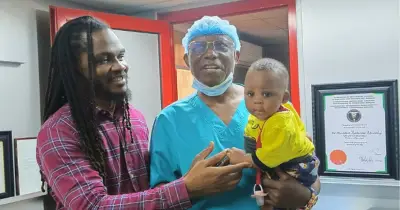
In her Facebook post, Auta Gagare revealed that the first snakebite happened in 2013 when she was expecting her child. She credited an elderly man in her community for intervening and helping save her life during this critical moment. Although she did not provide extensive details about the specific treatment she received, Gagare expressed profound gratitude for the assistance that prevented a potentially tragic outcome.
Second Snakebite on the Farm
The second incident occurred while Gagare was working on a farm. She described the pain from this snakebite as intense and difficult to bear, emphasizing the severe physical toll it took on her. Her post served as a heartfelt reflection on the ordeal, offering sympathy to the family of the late singer Ifunanya Nwangene, who died from a snakebite in January 2026.
Doctor's Advice for Snakebites During Pregnancy
In response to such emergencies, Nigerian doctor Dr. Ose Etiobhio has shared vital information on how to handle snakebites involving pregnant women. He stressed the importance of remaining calm and seeking prompt medical care, as panic and unnecessary movement can accelerate the spread of venom in the body, posing risks to both the mother and the unborn child.
Dr. Etiobhio advised that pregnant women bitten by snakes should stay as still as possible, avoid walking, and immobilize the affected limb. He also recommended removing tight items like rings or bangles to prevent complications from swelling. According to him, traditional methods such as licking the wound, cutting it, or using tourniquets should be avoided, as they can cause more harm than good.
He emphasized, "If a pregnant woman is bitten, she must stay as still and calm as possible, because panic turns venom into a fast traveller. She should remove tight rings and bangles because swelling comes quickly, and she should immobilise the limb and go to hospital immediately, not waiting for symptoms, because venom is shy and works quietly."
Community and Medical Support in Nigeria
Gagare's story underscores the critical role of community assistance and proper medical guidance in snakebite cases, which are not uncommon in Nigeria. Her experience, along with Dr. Etiobhio's advice, serves as a reminder of the need for increased awareness and preparedness for such health emergencies, particularly in rural areas where access to healthcare may be limited.
This account also ties into broader discussions on public health and safety in Nigeria, highlighting how personal stories can raise awareness and potentially save lives in similar situations.