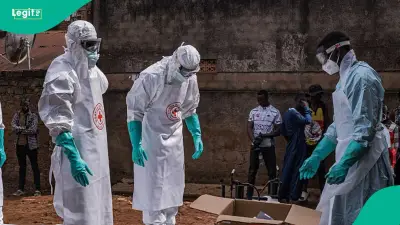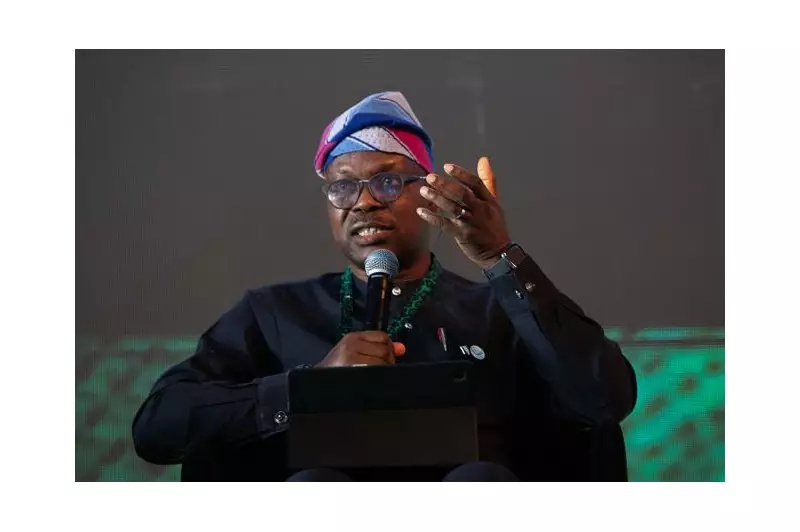
The Federal Government has issued a strong directive to the Medical Laboratory Science Council of Nigeria (MLSCN), tasking it with intensifying its regulatory efforts to shield citizens from erroneous medical test results. This call was made by the Minister of State for Health and Social Welfare, Dr. Iziaq Adekunle Salako, during a significant event in Abuja on Thursday, 4 December 2025.
Government Mandate for Safer Laboratory Services
Speaking at the 12th Induction and Oath-Taking Ceremony for over 400 foreign-trained Medical Laboratory Science graduates, Dr. Salako emphasized the critical need for strong regulatory oversight across the nation's medical laboratories. The event also featured the commissioning of the reconstructed MLSCN Golden Arena.
The minister stated that robust regulation is the cornerstone of protecting Nigerians from preventable diagnostic mistakes. He insisted that all laboratory operations must be conducted with the highest levels of professionalism, accuracy, and credibility to meet global benchmarks. Dr. Salako reaffirmed the government's full backing for the Council in executing its legal responsibilities to cleanse the sector of malpractice.
Building Trust for Universal Health Coverage
Dr. Salako directly linked the quality of lab services to the national goal of Universal Health Coverage (UHC). He argued that reliable diagnostics are fundamental to reducing medical errors, minimizing waste, preventing unnecessary repeat tests, and ultimately delivering affordable and efficient healthcare to all citizens.
"The drive to enhance population health outcomes depends on the ability of medical laboratory scientists to deliver precise, timely, and reliable laboratory results that support early detection and effective public health response," the minister declared.
He also highlighted the economic dimension, noting that the competence of professionals boosts investor confidence, encourages local production of diagnostic tools, and cuts down on import dependence. In matters of national health security, he described their role in disease detection, surveillance, and outbreak response as indispensable.
Council's Stance on Ethics and Continuous Learning
Earlier at the ceremony, the Acting Registrar of MLSCN, Dr. Donald Ofili, addressed the new inductees. He urged them to commit to lifelong learning, especially in advancing fields like molecular diagnostics and digital health. Dr. Ofili issued a stern warning that the Council would not tolerate unethical conduct and would prosecute any erring professional.
He revealed that the inductees had undergone a demanding 12-month adaptation programme in accredited teaching hospitals spread across Nigeria's six geopolitical zones. This programme was specifically designed to align their foreign training with Nigeria's unique disease patterns, operational challenges, and professional standards.
"Under seasoned Coordinators and teaching hospital management, these inductees were immersed in high-pressure diagnostic environments, developed practical competencies and honed the discipline required for safe and accurate laboratory practice," Dr. Ofili explained.
He reminded the new scientists of the profound responsibility they now carry, stating: "The laboratory scientist is the custodian of diagnostic truth. Your work guides clinical judgement, informs public health strategy and determines treatment outcomes." He stressed that precision is mandatory and professional ethics are non-negotiable, as human lives hang in the balance of their daily work.