The Presidency has declared that Nigeria's health and prosperity can no longer depend on the goodwill of foreign donors. Instead, the nation must build a self-sufficient system grounded in strong domestic ownership and accountability.
The Hidden Flaw in Nigeria's Health Spending
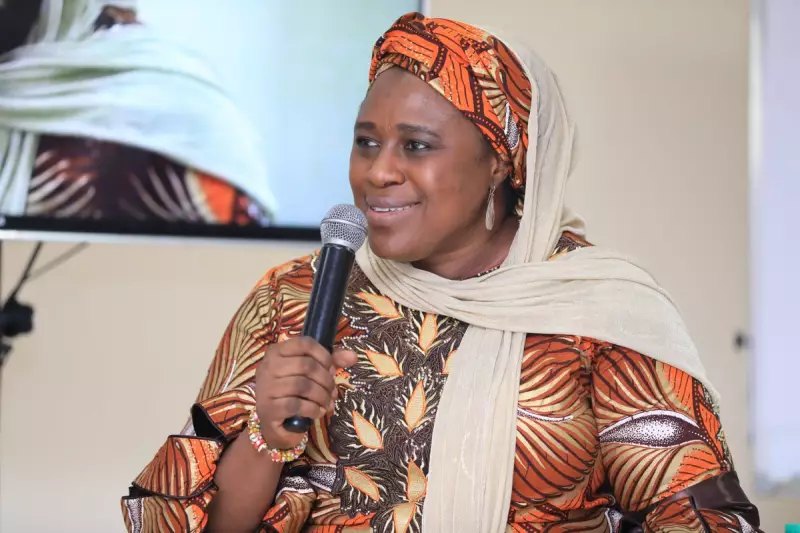
Dr. Salma Ibrahim Anas, the Special Adviser to the President on Health, delivered this urgent message at the 9th Annual Health Conference of the Association of Nigeria Health Journalists (ANHeJ) in Abuja on Friday, December 5, 2025.
She revealed a critical paradox in the nation's healthcare financing. While Nigeria's per capita health spending rose from about $67.91 in 2020 to $90.92 in 2022, this apparent growth hides a dangerous reality. The bulk of Nigeria's Total Health Expenditure is funded by high Out-of-Pocket payments, a burden that plunges millions of citizens into poverty annually.
Beyond these personal costs, a significant part of the remaining budget comes from external grants. Dr. Anas warned that this precarious balance makes the system severely vulnerable and slows progress toward Universal Health Coverage (UHC).
The Looming Crisis of Dwindling Foreign Aid
For years, international partners have been crucial in fighting diseases like HIV, Tuberculosis, and Malaria, and in tackling maternal mortality. However, the global scene is shifting, marked by growing donor fatigue.
Experts now predict a 15% to 20% reduction in foreign grants to Nigeria. "The moment this funding stream slows, services break down, stock-outs occur, and the most vulnerable communities suffer immediate and catastrophic consequences," Dr. Anas stated.
This drop in aid directly threatens Nigeria's UHC goals, as many preventive services at the Primary Health Care (PHC) level rely on this external support. Universal Health Coverage is impossible if basic services are not free for the poor when they need them.
The Path Forward: Domestic Resource Mobilisation
Under President Bola Ahmed Tinubu's Renewed Hope Agenda, the solution is a fundamental shift to Domestic Resource Mobilisation (DRM). The cornerstone of this mission is building a resilient and equitable health system funded from within.
A key instrument is the expanded National Health Insurance Authority (NHIA). The new NHIA Act, signed into law in 2022, makes health insurance mandatory. Its ambitious goal is to enroll over 50 million new Nigerians within four years, drastically cutting out-of-pocket expenses.
Also speaking at the conference, the Minister of State for Health and Social Welfare, Dr. Adekunle Salako, acknowledged fiscal pressures like debt and competing priorities. He stressed that Nigeria cannot simply replace lost foreign aid with empty domestic promises.
"Our response must be strategic, evidence-based, and audacious," Salako said. He pointed to existing successes like the Basic Healthcare Provision Fund, which has disbursed over N260 billion to states and the FCT since 2018.
ANHeJ President, Joseph Kadiri, framed the conference theme, "Domestic Resource Mobilisation in the Face of Dwindling Foreign Grants and Aid," as a call to action. He urged journalists to hold the government accountable and spotlight the real struggles of Nigerian families.
The consensus is clear: Nigeria's health destiny must be secured by its own people, resources, and unwavering commitment to accountability.