While political debates dominate headlines, Nigeria faces a quiet but devastating healthcare emergency that threatens millions of citizens. The country's medical system is collapsing under the weight of chronic problems that successive governments have failed to address adequately.
Chronic Underfunding: The Root Cause
Nigeria has consistently failed to meet the 15% health spending benchmark set in the Abuja Declaration, leaving hospitals severely under-resourced. Public medical facilities struggle with outdated equipment and frequent shortages of essential drugs and supplies. Meanwhile, private hospitals remain unaffordable for most Nigerians, creating a two-tier system that excludes the poor.
The consequences of this underfunding are visible across the country. Patients often lie on bare floors in overcrowded public hospitals, waiting for attention that may never come. Medical workers operate under extreme pressure with inadequate tools to provide proper care.
Medical Brain Drain Reaches Crisis Levels
Nigeria's healthcare human capital crisis has reached alarming proportions. Thousands of skilled doctors, nurses, and medical specialists have left the country in search of better opportunities abroad. The United Kingdom, Canada, and the United States have become primary destinations for these professionals fleeing poor working conditions and inadequate remuneration.
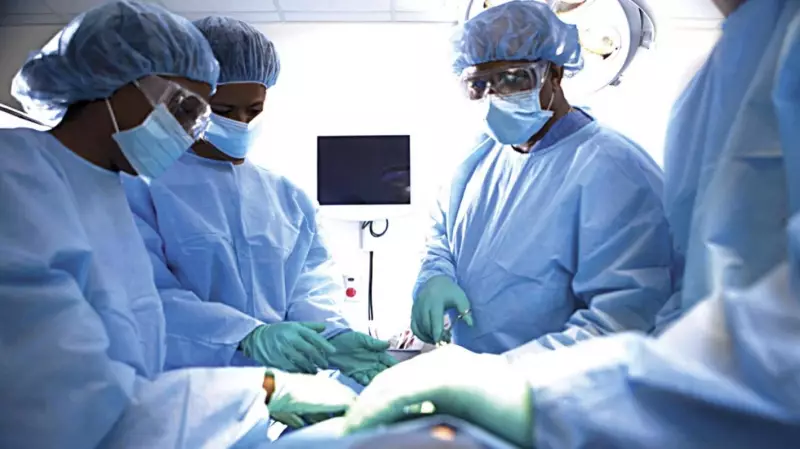
Those medical workers who remain face overwhelming patient loads that far exceed reasonable capacity. The strain shows in delayed treatments that sometimes prove fatal, as patients wait hours or even days for critical medical attention.
Rural Healthcare: The Forgotten Frontier
The healthcare access gap between urban and rural areas represents one of Nigeria's most pressing equity challenges. While major cities boast teaching hospitals and specialist clinics, many rural communities lack even basic medical facilities. Expectant mothers in villages often undertake dangerous journeys to find qualified care, risking both their lives and their babies'.
Preventable deaths from childbirth complications, malaria, and cholera remain disturbingly common in areas without adequate medical infrastructure. This unequal distribution of healthcare resources deepens existing divides between rich and poor, urban and rural populations.
The Financial Burden on Ordinary Nigerians
For most citizens living on modest incomes, Nigeria's out-of-pocket healthcare financing model creates impossible choices. Families must often decide between paying medical bills and meeting basic needs like food, housing, and education. This economic pressure drives many toward self-medication or traditional remedies, sometimes with tragic outcomes.
The failure to implement an effective national health insurance scheme that covers all citizens leaves millions vulnerable to medical bankruptcy and untreated conditions.
Pathway to Recovery: Essential Reforms
To rescue Nigeria's healthcare system, several urgent measures must be implemented immediately:
- Significantly increased government investment in health, with transparent utilization of allocated funds
- Creation of incentives to retain medical professionals through better pay, improved working conditions, and career development opportunities
- Prioritization of rural healthcare through construction of community health centers with trained staff and adequate facilities
- Expansion of health insurance coverage to make care affordable for every Nigerian
The health of Nigeria's population forms the foundation of national progress. Without healthy citizens, productivity declines, poverty deepens, and national security weakens. The country cannot afford continued neglect of its healthcare system while millions suffer silently. The question isn't whether Nigeria can afford to fix its healthcare, but whether it can afford not to take action.