Nigeria Takes Proactive Steps Against Lead Poisoning Threat
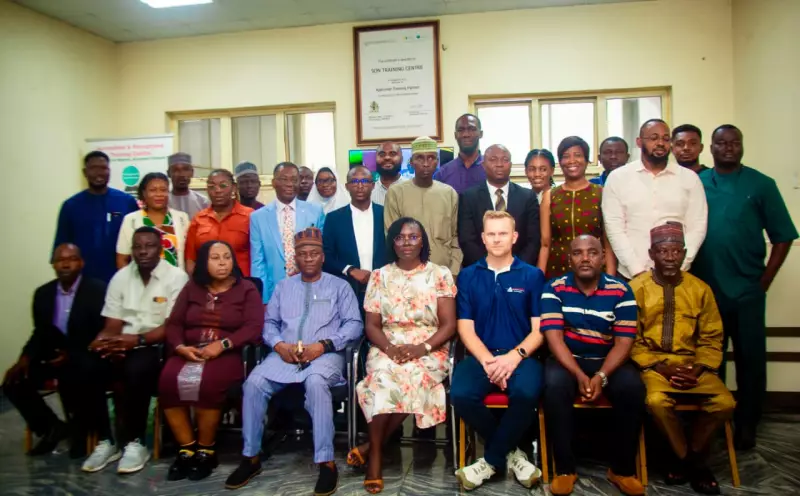
In a significant move to protect public health, the Standards Organisation of Nigeria (SON) has joined forces with the non-governmental organization Resolve To Save Lives. Together, they have conducted a specialized training program to combat the growing concerns of lead poisoning within the country. The session, held on 8 November 2025 at the SON office in Ogba, Lagos, equipped selected regulatory, academic, and state teams with the skills for the safe and effective use of XRF analyzers for lead detection.
Addressing the Red Flags in Public Health
Speaking at the event, Adetoyi Adeyinka, Deputy Director of Laboratory Services and Head of Operation Laboratory at SON, emphasized the urgent need for this initiative. He highlighted that several red flags regarding lead contamination prompted the proactive training. Adeyinka explained that lead is a highly dangerous poisonous substance, particularly for children, whose bodies cannot withstand its effects like adults can. This exposure can lead to severe body deficiencies as they grow.
"Instead of going to companies to cause problems here and there, we have invited them to this training to let them know what is expected of them to ensure the safety of Nigerians," Adeyinka stated, underscoring the collaborative rather than punitive approach.
Empowering Experts with Technology and Knowledge
The training facilitator, Mirko Steinhage, Director at Spectrometer Technologies, detailed that the program focused on the operational techniques of XRF analysers for lead screening. He noted that the primary targets for screening in Nigeria include children’s toys, consumer goods like lipstick and makeup, and lead in paint—a concern prevalent worldwide.
Nanlop Ogbureke, Executive Director of Resolve to Save Lives Nigeria, provided context for the NGO's involvement. She revealed that the organization launched a Lead Poisoning Prevention Project in Nigeria in April 2025. A core part of this project involves testing for lead in various sources, such as cosmetics and personal products.
"The training is to equip selected laboratory experts to identify lead in certain products and sources," Ogbureke said. "This will help build the body of evidence needed to push forward policies that, when enforced, will hopefully lead to the elimination of lead in the country."
Positive Impact and Future Implementation
The initiative was met with enthusiasm from participants. Usman Sadik Sulaimon, Deputy Director of the Pollution Control Department in the Kano State Ministry of the Environment and Climate Change, expressed his gratitude. He stated that the training has empowered him with the knowledge to save lives in his state using the XRF machine.
"We have been taught how to operate them and we don’t need to carry our samples to our laboratories anymore," Sulaimon said. "When we return to Kano, we will be able to transfer the knowledge that we have gained to our people."
This collaborative effort marks a critical step towards safeguarding Nigerian consumers, especially children, from the hidden dangers of lead exposure, paving the way for stronger regulatory frameworks and a healthier population.