FMC Abuja Addresses Snake Bite Tragedy: Hospital Denies Anti-Venom Shortage Claims
The Federal Medical Centre (FMC) Abuja has issued a strong rebuttal against allegations of medical negligence and anti-venom shortage in the treatment of late musician Ms. Ifunanya Lucy Nwangene, who tragically passed away following a snake bite incident. The hospital management has categorically denied all claims suggesting inadequate response or unavailability of crucial anti-venom medication during the emergency treatment.
Hospital's Official Statement on the Incident
In an official statement released on Sunday, February 1, 2026, FMC Abuja firmly rejected what it described as "unfounded and misleading" allegations regarding the medical care provided to the fast-rising musician. The hospital confirmed that Nwangene was admitted on Saturday, January 31, 2026, after sustaining a snake bite, and received immediate emergency care upon arrival at the medical facility.
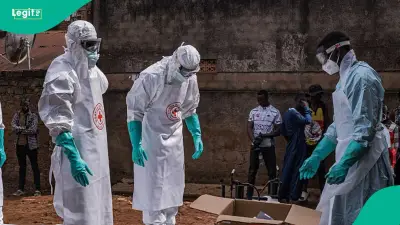
Dr. Bioku Muftau, the Head of Clinical Services at FMC Abuja, provided detailed clarification about the medical interventions undertaken. According to Dr. Muftau, the hospital's medical team administered comprehensive emergency treatment including:
- Immediate resuscitation procedures
- Intravenous fluid administration
- Intranasal oxygen support
- Polyvalent snake anti-venom medication
Medical Complications and Treatment Efforts
The hospital management disclosed that despite prompt medical intervention, rapid clinical assessment revealed that the musician had already developed severe neurotoxic complications from the snake bite before arriving at the facility. These complications significantly complicated the treatment process and contributed to the tragic outcome.
Medical personnel had initiated plans to transfer Nwangene to the Intensive Care Unit for advanced monitoring and treatment when her condition unexpectedly deteriorated. The hospital reported that despite intensive resuscitation efforts, including cardiopulmonary resuscitation (CPR) and other advanced medical interventions, the medical team was unable to revive the patient.
Family's Perspective and Previous Hospital Visits
Contrasting with the hospital's account, Kingsley Nwangene, the deceased musician's brother, shared an emotional narrative about his sister's final moments. According to his recollection, the initial hospital visited lacked anti-venom supplies, while the second facility placed her on intravenous drip treatment as her condition worsened despite arriving conscious at the medical center.
Kingsley specifically rejected suggestions that his sister arrived late for treatment or experienced communication difficulties, instead pointing to systemic failures during the critical emergency situation. The family's account highlights the ongoing concerns about emergency medical response capabilities in snake bite cases across Nigerian healthcare facilities.
Community Reaction and Broader Implications
The tragic incident has sparked significant discussion within the Abuja community and beyond, with neighbors sharing observations about the late musician's residence and living conditions. The case has drawn attention to several critical issues:
- The availability and accessibility of anti-venom medications in Nigerian hospitals
- Emergency response protocols for snake bite incidents
- Public awareness about snake bite prevention and immediate first aid measures
- Healthcare system preparedness for venomous animal attacks
This incident serves as a sobering reminder of the dangers posed by venomous snakes in residential areas and the critical importance of timely medical intervention. The conflicting narratives between hospital authorities and the victim's family underscore the need for transparent communication and improved emergency medical protocols in such life-threatening situations.