Kwara State Enforces Cashless System in Government Hospitals Amid Public Debate
The Kwara State government has officially implemented a mandatory cashless payment policy across all state-owned hospitals, sparking a wave of mixed reactions from residents and healthcare stakeholders. The directive, announced by the Kwara State Hospitals Management Board (KW-HMB), took immediate effect and aligns with the Federal Government of Nigeria's broader cashless initiative.
Policy Details and Official Rationale
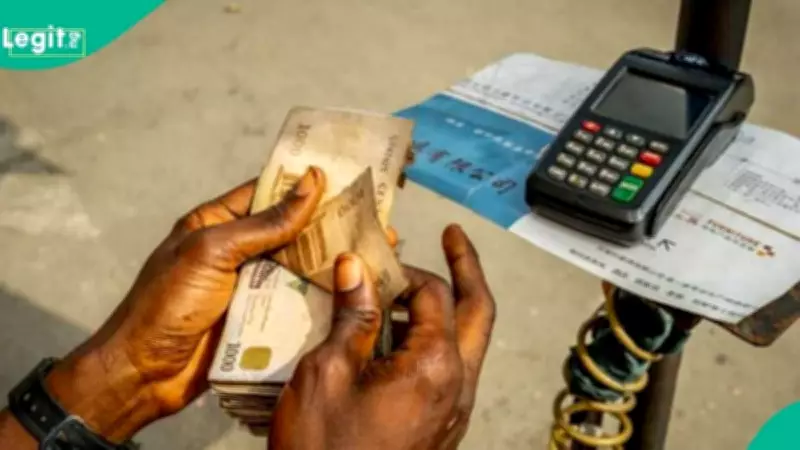
According to a public announcement signed by the Executive Secretary of the KW-HMB, Dr Abdulraheem Malik, all payments for services in Kwara State government hospitals must now be made strictly through the Kwara State Internal Revenue Service (KWIRS). Approved channels include KWIRS Point-of-Sale (POS) machines and bank transfers directly to KWIRS accounts.
The Board has explicitly prohibited cash payments, as well as transfers to individuals, hospital staff, or any accounts outside KWIRS. Officials emphasize that this policy aims to promote transparency, accountability, revenue assurance, and efficient service delivery. The public is urged to report any hospital staff demanding cash or requesting transfers into personal accounts.
Resident Reactions: Support and Significant Concerns
While some residents have welcomed the policy as a progressive step toward modernizing healthcare payments, many have raised serious concerns about its practical implications.
Al-Ameer, a resident who spoke to media, described the policy as a good development but called for better orientation of KWIRS personnel stationed at facilities like the Kwara State University Teaching Hospital (KWASUTH). He highlighted issues with bank transfer denials and frequent network problems with ATM services, which previously forced patients to use cash.
Kareem Ridwan appealed to the government to reconsider the financial burden on patients, arguing that government hospitals should not be treated as commercial centers. He expressed worry that introducing KWIRS could worsen healthcare access for the poor, especially those who struggle to afford daily meals, let alone medical bills during emergencies.
Emergency Care and Vulnerable Populations at Risk
Several residents pointed to potential risks for emergency situations and vulnerable groups. Asimiyu Ademola questioned the full implementation of the policy, noting that hospitals are not regular business venues. He emphasized challenges for the elderly, illiterate individuals, and rural dwellers who may face difficulties with electronic transactions.
Ogundeji warned that cashless transactions in hospitals could inadvertently increase mortality rates. He cited scenarios like an Okada driver or market woman needing urgent medical care for a family member but having to deposit proceeds in a bank first. Network availability was also flagged as a critical issue, with concerns that health and lives should not be compromised by technical failures.
Yusuf urged authorities to consider elderly parents, rural communities, and traders, while Mustapha Abdulazeez called for reduced charges for old-age patients with limited resources. Sulyman Issa directly questioned how emergencies would be handled during network outages, urging the government to be proactive rather than reactive.
Broader Context and State Revenue Initiatives
This hospital policy follows earlier state moves to ban cash and cheque payments for taxes and levies, effective January 2026, as part of efforts to block revenue leakages. The state commissioner explained that all tax payments must now be made through approved electronic platforms to improve transparency, accountability, and real-time tracking of government revenue.
Authorities assert that such measures curb fund diversion, strengthen internally generated revenue, and align the state's systems with modern digital practices. However, as the hospital policy takes effect, many residents are calling on the Kwara State government to introduce safeguards ensuring that emergency patients, the elderly, and low-income earners are not denied access to urgent medical care.