The tragic death of fast-rising Nigerian singer Ifunanya Nwangene, popularly known as Nanya, has sparked intense debate about the country's healthcare infrastructure and electricity reliability. The 25-year-old artist reportedly succumbed to a snake bite after visiting two hospitals in Abuja that allegedly lacked life-saving anti-venom medication.
Legal Practitioner Points to Electricity Failures
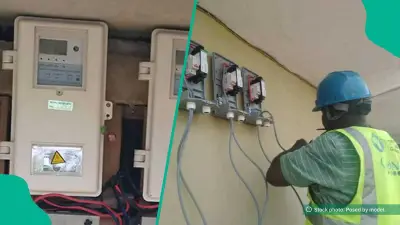
Nigerian lawyer Sabina Nkiru Ezeoke has publicly blamed the nation's erratic power supply for the singer's preventable death. In detailed social media posts, Ezeoke explained that anti-venom medications require constant refrigeration to remain effective, making reliable electricity essential for hospitals to maintain adequate medical supplies.
"Anti-venoms are stored in refrigerators," Ezeoke emphasized. "Thus for hospitals to have it, they must have constant electricity." She described how the singer visited multiple medical facilities in search of treatment, but neither establishment had the necessary medication available.
Criticism of Government Electricity Policies
The legal professional went further to condemn current electricity policies implemented under President Bola Tinubu's administration. She specifically targeted the Band A and Band B consumer classification system, calling it a "useless policy" that has failed to address Nigeria's persistent power challenges.
Ezeoke argued that increasing electricity tariffs without ensuring stable power supply only exacerbates healthcare challenges across the country. Her critique highlights how infrastructure failures directly impact medical outcomes, particularly in emergency situations requiring specialized treatments.
Rejecting Traditional Remedies
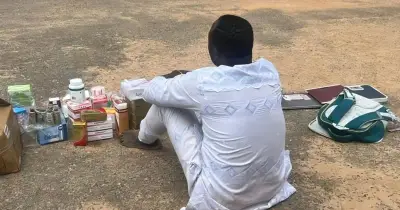
In her commentary, the lawyer also addressed the growing trend of Nigerians turning to traditional herbal treatments for snake bites. She questioned why citizens would accept traditional concoctions instead of demanding proper medical care and accessible antivenom.
"Can't we demand good health care?" Ezeoke asked pointedly in her social media posts. She expressed frustration that Nigerians often "retrace back into the wall when pushed to the wall rather than fight back" for better healthcare services.
Hospital Response and Public Reactions
The Federal Medical Centre in Jabi, Abuja, has issued a press statement contradicting claims about antivenom availability and inadequate medical response. However, public reactions to the tragedy have been overwhelmingly critical of Nigeria's healthcare system.
Social media users expressed deep concern about emergency medical care in the country. One commenter noted, "Nigeria will soon become a massive burial ground. It seems like we are on our own in a case of a serious emergency." Others debated the effectiveness of traditional herbal remedies versus modern medical treatments.
Broader Healthcare System Concerns
This incident has brought renewed attention to Nigeria's healthcare challenges, with prominent health influencer Aproko Doctor previously commenting that the snake wasn't the primary cause of death but rather the country's failing medical system. He highlighted the existence of locally produced antivenom called Echitab and urged Nigerians to demand better healthcare infrastructure instead of attributing such tragedies to spiritual causes.
The debate surrounding Nanya's death continues to highlight critical intersections between infrastructure development, healthcare accessibility, and government policy implementation in Nigeria. As discussions evolve, many citizens are calling for systemic reforms that would prevent similar tragedies in the future.