Benue Teenage Mother, 14, Gives Birth Without Complications, Igniting Child Marriage Concerns
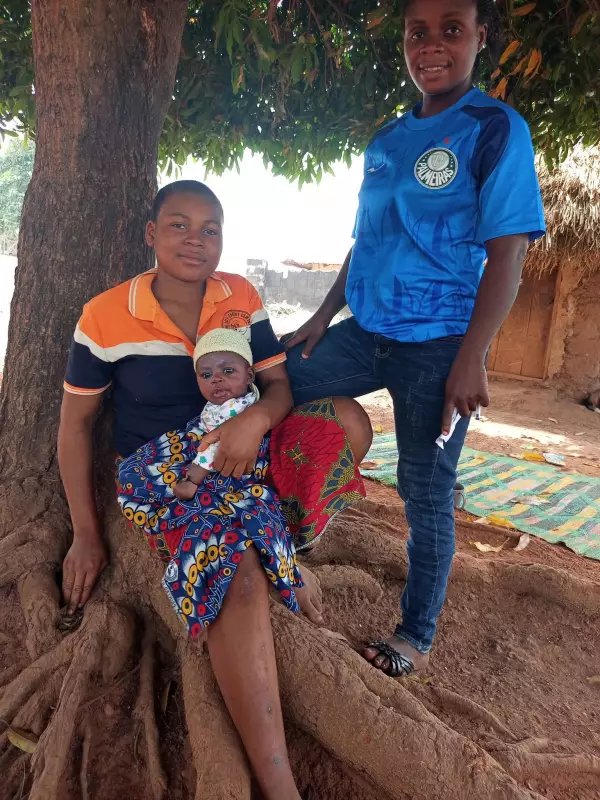
A young woman from Benue State, Tyopin Monica Mbayilan, has shared a photograph on social media of a 14-year-old married girl who recently gave birth in her rural village. The image and accompanying narrative have sparked widespread conversation online regarding the implications of child marriage in Nigeria.
Details of the Birth and Social Media Post
According to Mbayilan, the minor delivered her baby without experiencing any medical complications during the childbirth process. In a Facebook post dated Tuesday, January 27, 2026, she wrote, "To deliver a child and have complications is not by age, but marrying at this age is not advisable. Una see this young mother ba? She's 14. She delivered like a Hebrew woman without any complications." The phrase "like a Hebrew woman" is a cultural reference often used to describe a smooth and uncomplicated delivery, drawing from historical or biblical contexts.
Health Implications and Societal Warnings
While the successful birth is noted, Mbayilan emphasized that marrying at such a young age is highly inadvisable. Child marriage poses significant risks to both the mother and child, including:
- Increased likelihood of maternal mortality and morbidity.
- Higher rates of complications such as obstructed labor or fistulas.
- Negative impacts on the child's health and development.
- Limited educational and economic opportunities for the young mother.
This incident highlights the ongoing challenges in rural areas where traditional practices may conflict with modern health advisories and legal frameworks aimed at protecting minors.
Broader Context and Public Reaction
The post has garnered attention on platforms like Facebook, where users are debating the balance between cultural norms and child welfare. Many commentators are expressing concern over the normalization of early marriage, despite the fortunate outcome in this specific case. Health experts and activists often stress that while some teenage pregnancies may proceed without issues, the overall statistics show elevated dangers for young mothers, making early marriage a critical public health issue.
In Nigeria, laws and policies exist to combat child marriage, but enforcement remains inconsistent, particularly in remote regions. This story serves as a reminder of the need for continued education and advocacy to safeguard the rights and well-being of young girls across the country.