Cashew Bark Snake Bite Claims: Separating Fact from Dangerous Fiction
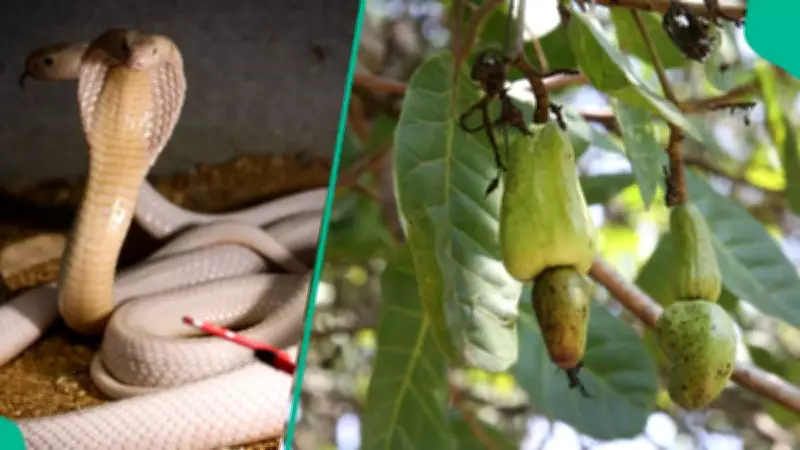
A concerning viral message circulating on WhatsApp and social media platforms in Nigeria claims that chewing the bark of a cashew tree can effectively treat venomous snake bites, including those from highly dangerous species like the black mamba. This misinformation, which first appeared in 2022 and has recently resurfaced, urges recipients to share it widely, potentially putting lives at risk.
The Viral Claim and Social Media Reactions
The message has gained traction on Facebook and other platforms, with some users expressing positive reactions. One commenter, Haruna Abdullahi, described the information as "very informative and useful," while another user, Udu Ego, thanked a Facebook user for sharing what he believed was helpful knowledge. However, medical experts and fact-checking organizations warn that such claims are not only misleading but potentially deadly.
Understanding the Cashew Tree's Medicinal Properties
The cashew tree, scientifically known as Anacardium occidentale, is native to Brazil but widely cultivated in tropical countries including Nigeria, India, Vietnam, and Indonesia. While the fruit and nut are well-known commercial products, the bark has long been used in traditional medicine systems.
Scientific studies confirm that cashew bark contains compounds such as anacardic acid and cardol, which possess:
- Antibacterial properties
- Antifungal capabilities
- Anti-inflammatory qualities
These medicinal properties explain its traditional use in various remedies, but they do not constitute evidence that cashew bark functions as an effective antivenom for snake bites.
How Proper Snakebite Treatment Actually Works
Medical experts emphasize that antivenom remains the only scientifically proven treatment for venomous snake bites. The production of antivenom involves a carefully controlled process:
- Small amounts of snake venom are injected into animals such as horses or sheep
- The animals' immune systems produce antibodies in response to the venom
- These antibodies are harvested and purified
- The resulting antivenom is administered to snakebite victims
Crucially, antivenoms are specific to particular snake species, and health professionals warn that relying on unproven remedies can delay proper treatment, significantly increasing the risk of death or permanent disability.
What Scientific Research Actually Shows
A study conducted by the Department of Biochemistry at the University of Mysore in India examined cashew bark extract's effects on mice bitten by snakes. The research found that while the extract reduced certain symptoms including:
- Bleeding
- Swelling
- Muscle damage
The venom remained lethal, with death occurring more slowly in mice that received the extract. The researchers concluded that the extract might serve as a "beneficial first-aid treatment in viper bites" but emphasized it was not a cure.
Expert Warnings and Official Guidelines
The World Health Organisation (WHO), in its comprehensive guidelines on snakebite management, cautions that "most traditional methods are useless and harmful" and strongly advises against relying on herbal treatments instead of proper medical care.
Zoologist Eric Kuju explained to fact-checking organizations that although cashew bark contains compounds of medicinal interest, there is no documented evidence that it works as an antivenom. "The study carried out in India was limited to laboratory rats. It did not progress to larger mammals or humans. At best, the extract delays the action of the venom; it does not save lives," he stated.
Pharmacist Rachel Vincent also dismissed the claim, noting she was unaware of any scientific evidence supporting cashew bark as a treatment for snake bites. "There is nothing available to show it has antivenom properties," she emphasized.
The Dangers of Misinformation in Nigeria
This viral claim has been thoroughly debunked by multiple fact-checking organizations including Africa Check, AFP Fact Check, and The Healthy Indian Project. The persistence of such misinformation highlights the critical need for accurate health information dissemination in Nigeria, where snake bites remain a significant public health concern.
The recent death of young Nigerian singer Ifunanya, popularly known as Nanyah_music, from a snake bite has further highlighted the importance of proper snakebite management. Despite being rushed to a hospital immediately after the incident and receiving medical intervention, she could not be saved, underscoring the severity of venomous snake bites even with prompt professional care.
Medical authorities urge Nigerians to seek immediate professional medical attention for snake bites and to rely only on approved antivenom treatments rather than unverified traditional remedies that could delay life-saving care.