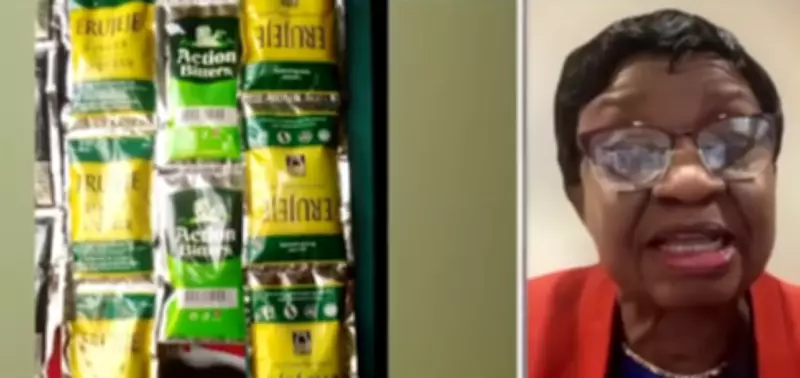
NAFDAC Defends Sachet Alcohol Ban as Child Protection Measure
The National Agency for Food and Drug Administration and Control (NAFDAC) has issued a detailed clarification regarding its enforcement of the ban on alcoholic beverages packaged in sachets and small plastic or glass bottles. The agency emphasizes that this policy is fundamentally designed to protect children and young people across Nigeria, rather than to penalize manufacturers.
Public Health Concerns Drive Policy Implementation
In an official statement released on Thursday, January 29, NAFDAC Director-General, Professor Mojisola Adeyeye, outlined that the decision is rooted in pressing public health issues. She cited mounting evidence indicating that alcohol sold in sachets and containers below 200 millilitres has significantly contributed to a rise in underage drinking nationwide. The agency recently initiated enforcement actions following a directive from the Senate, which received strong backing from the Federal Ministry of Health and Social Welfare.
Accessibility and Concealability Fuel Misuse
Professor Adeyeye highlighted that the small, inexpensive packaging of these high-alcohol-content drinks makes them easily accessible, affordable, and concealable. This combination has led to widespread misuse among minors and even some commercial drivers, posing serious risks to public safety and youth development. "This ban is not punitive; it is protective. It is aimed at safeguarding the health and future of our children and youth by not allowing alcohol in small pack sizes," the statement firmly asserts.
Ineffectiveness of Warning Labels in Nigerian Context
The NAFDAC chief further explained that simply labelling such products as "not for children" proves ineffective within Nigeria's unique social environment. Many parents remain unaware that their children are consuming sachet alcohol because these items can be easily hidden. "Reports from schools show that children conceal the sachets. The agency did not close down any company that makes alcohol. The agency only banned alcohol in sachets and small containers less than 200ml," the statement added, clarifying the scope of the regulatory action.
Phased Implementation and Global Alignment
NAFDAC recalled that manufacturers were previously granted a six-year moratorium to gradually phase out sachet and small-volume alcohol packaging. The ban became effective only after this ultimatum expired, allowing businesses adequate time to adjust. Moreover, the current Senate resolution aligns with Nigeria's commitment to the World Health Assembly's global strategy to reduce harmful alcohol use, which prioritizes protecting vulnerable groups, especially children and young people.
"We cannot continue to sacrifice the wellbeing of Nigerians for economic gain. The health of a nation is its true wealth," the statement concluded, reinforcing the agency's dedication to public health over commercial interests.