In a landmark move for public health, three African nations have begun administering a revolutionary new HIV-prevention injection, marking its first public rollout on the continent that bears the world's heaviest HIV burden.
A New Era of Prevention Begins
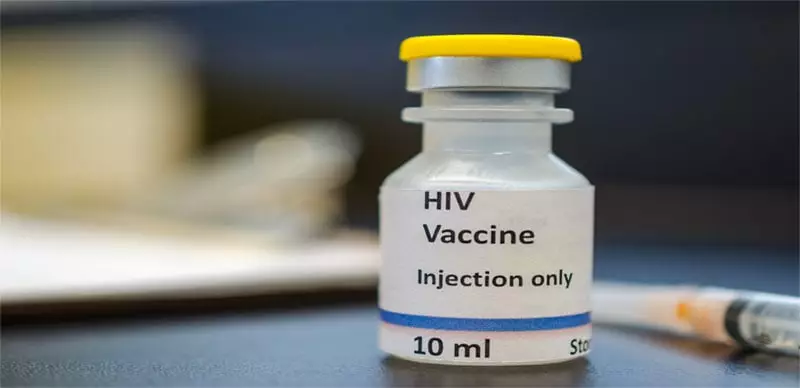
The drug, called lenacapavir, is administered just twice a year and has demonstrated an extraordinary ability to reduce the risk of HIV transmission. Clinical data shows it offers more than 99.9 percent protection, a efficacy rate that makes it function similarly to a powerful vaccine. This long-acting injectable represents a significant leap forward from daily oral PrEP (pre-exposure prophylaxis) tablets, potentially overcoming challenges related to adherence.
The historic rollout is currently underway in South Africa, Eswatini, and Zambia. In South Africa, where approximately one in every five adults lives with HIV, the initiation was overseen by a Wits University research unit. This effort is part of a broader initiative funded by Unitaid, the United Nations global health agency.
"The first individuals have begun using lenacapavir for HIV prevention in South Africa," Unitaid confirmed in a statement, adding that this marks among the first real-world uses of the six-monthly injectable in low- and middle-income countries. The agency did not specify the exact number of people who have received the initial doses.
Access and Affordability: A Critical Path
The cost of this breakthrough treatment has been a major concern. In the United States, the annual price tag for lenacapavir is a staggering $28,000 per person. However, a transformative access program is changing the equation for high-burden nations.
Under this program, the manufacturer, Gilead Sciences, has committed to providing lenacapavir at no profit for up to two million people in countries with high HIV prevalence over the next three years. This agreement paved the way for Zambia and Eswatini to each receive 1,000 doses last month via a U.S.-backed program, with launches timed for World AIDS Day ceremonies.
Looking further ahead, even greater affordability is on the horizon. Through separate agreements negotiated by Unitaid and the Bill & Melinda Gates Foundation with Indian pharmaceutical companies, generic versions of lenacapavir are expected to become available from 2027. The projected cost for these generics is around $40 per person per year in more than 100 eligible countries.
A Continent at the Epicenter Finds New Hope
The significance of this rollout cannot be overstated for Africa. According to the latest 2024 UNAIDS data, a total of 40.8 million people are living with HIV worldwide. Eastern and southern Africa alone account for a disproportionate 52 percent of this global total.
The introduction of a highly effective, long-acting prevention tool like lenacapavir offers a powerful new weapon in the region's arsenal. It provides a critical option for populations who struggle with daily pill regimens and represents a major stride towards controlling the epidemic. As this real-world implementation expands, it brings renewed hope for dramatically curbing new HIV infections across the continent.