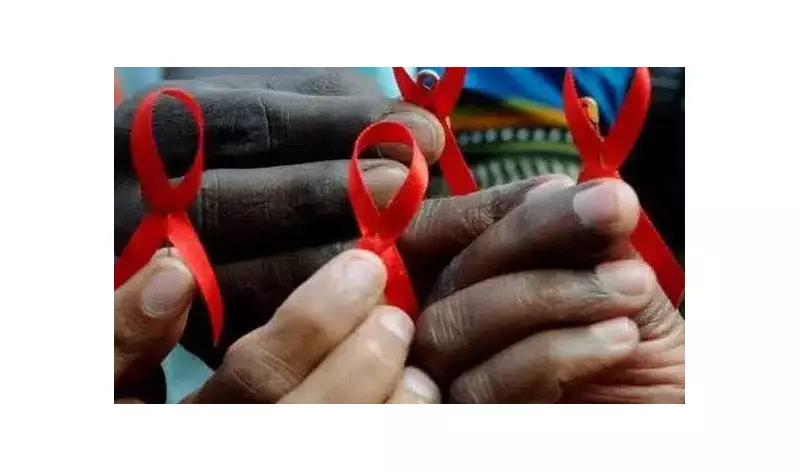
The Federal Government has declared that Nigeria is making significant strides and could potentially end the threat of HIV/AIDS as a public health concern before the global 2030 target set by the United Nations.
Major Milestones in Nigeria's HIV Response
This ambitious declaration was made by the Minister of State for Health, Dr. Adekunle Salako, during an event in Abuja to mark the 2025 World AIDS Day. The event was organized by the National Agency for the Control of AIDS (NACA) and its partners.
Dr. Salako revealed that despite facing global challenges such as economic pressures, a reduction in Overseas Development Assistance, conflicts, and supply chain disruptions, Nigeria has remained resolute under President Bola Ahmed Tinubu. The country is focused on protecting past gains and accelerating progress.
Nigeria has recorded landmark achievements across the HIV care continuum. The minister highlighted that the nation has surpassed a critical UNAIDS target by placing 98% of Nigerians living with HIV on life-saving Antiretroviral Therapy (ART), which includes specialized paediatric formulations.
Furthermore, the country has met the second '95' target by achieving a 95% viral suppression rate among those on treatment. Efforts are now intensely focused on ensuring that at least 95% of all Nigerians living with HIV know their status.
Enhanced Care and Nationwide Call to Action
In a move to improve holistic care, People Living With HIV/AIDS (PLWHA) are now guaranteed access to yearly liver and kidney function tests. This is made possible through an expansion of health insurance coverage, addressing crucial co-morbidities.
Dr. Salako called on all stakeholders—including state governments, development partners, communities, and the private sector—to strengthen collaboration. He urged them to scale up innovations and accelerate the collective march toward the 2030 goal of ending AIDS as a public health threat.
Leadership Voices on Progress and Compassion
In her speech, the First Lady of Nigeria, Senator Oluremi Tinubu, stated that the country is steadily progressing towards the global target of eliminating mother-to-child transmission of HIV, syphilis, and hepatitis by 2030. She attributed this to the efficient use of resources and integrated healthcare services for women and children.
The First Lady made a heartfelt appeal to communities across Nigeria to foster a culture of love, acceptance, and unwavering support for people living with HIV, combating stigma and discrimination.
Providing detailed data, the Director General of NACA, Dr. Temitope Ilori, confirmed Nigeria's impressive performance. The country maintains an 87-98-95 score against the global 95-95-95 targets. This signifies that 87% of people living with HIV in Nigeria know their status, 98% of those who know their status are on treatment, and 95% of those on treatment are virally suppressed and cannot transmit the virus.
Dr. Ilori added that over the last decade, Nigeria has achieved a 46% decline in new HIV infections. More Nigerians living with HIV are enrolled and retained in care than at any previous time, marking a turning point in the nation's long-running battle against the epidemic.