CHRICED Issues Stern Warning Over Potential Interference in Chief Judge's Asset Declaration Probe
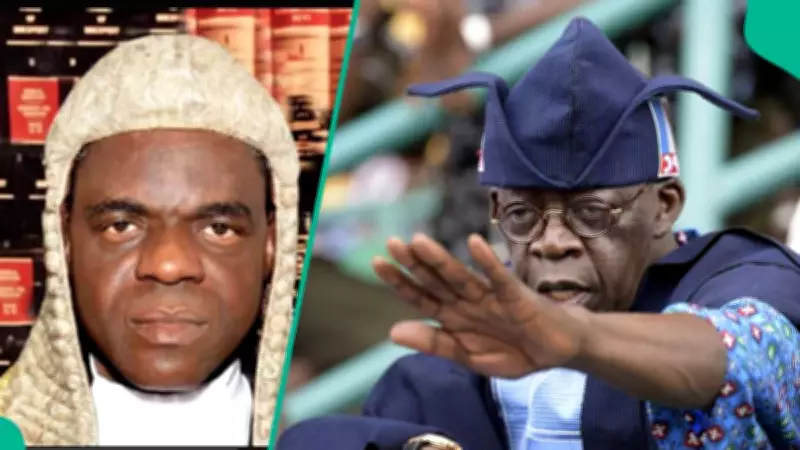
The Resource Centre for Human Rights and Civic Education (CHRICED) has raised significant concerns regarding what it describes as mounting pressure on the Presidency to intervene in the ongoing investigation of Federal High Court Chief Judge John Tsoho by the Code of Conduct Bureau. The organization has issued a fresh warning to President Bola Ahmed Tinubu and the National Judicial Council, emphasizing the critical need to preserve institutional independence.
Allegations of Undue Influence on Anti-Corruption Process
According to recent reports, the Code of Conduct Bureau is currently investigating allegations that Justice Tsoho failed to declare certain assets as required by Nigerian law. CHRICED's Executive Director, Dr. Zikirullahi M. Ibrahim, expressed serious apprehension about what he termed "red flags" suggesting potential interference in this legal process.
"These developments raise serious red flags about the potential for undue interference in a process that must remain strictly governed by law, transparency, and due process," stated CHRICED in an official communication. The organization specifically noted that influential figures within both political and judicial circles appear to be lobbying the Presidency to either halt, delay, or dilute the investigation.
Defending Institutional Independence and Public Trust
CHRICED has strongly emphasized that anti-corruption institutions must be allowed to operate without external influence. The organization warned that any attempts to obstruct the Code of Conduct Bureau's work could significantly undermine public confidence in Nigeria's governance system.
"The independence of Nigeria's anti-corruption and accountability institutions is non-negotiable. Any attempt, direct or indirect, to obstruct the lawful work of the Code of Conduct Bureau would undermine the rule of law and further erode public trust in the nation's governance architecture," the group declared.
Judicial Accountability and Equal Application of Law
The human rights organization stressed that all public officials, including members of the judiciary, must be held to identical standards of transparency and accountability. CHRICED referenced the 2019 removal of former Chief Justice Walter Onnoghen as precedent, asserting that asset declaration rules must apply uniformly to all public servants regardless of position or influence.
"Allowing any individual to evade scrutiny would send a dangerous message that some persons occupy a privileged space above the law," CHRICED cautioned, highlighting the importance of consistent application of legal standards across all branches of government.
Calls for Transparent Investigation Process
While acknowledging the fundamental principle of presumption of innocence, CHRICED maintained that allegations involving public officials must undergo thorough, lawful, and transparent scrutiny. The organization has specifically called upon the Presidency to ensure the investigation proceeds independently without any form of interference.
Additionally, CHRICED urged the National Judicial Council to handle the matter in a manner that strengthens rather than diminishes public confidence in the judiciary. "Every citizen, including judicial officers, is entitled to the presumption of innocence. However, this principle does not negate the obligation to subject allegations of misconduct to lawful and transparent scrutiny," the organization clarified.
Broader Context of Judicial Accountability
The warning comes amid ongoing discussions about judicial integrity and the proper functioning of Nigeria's anti-corruption framework. CHRICED's intervention highlights growing concerns about potential erosion of institutional safeguards designed to ensure accountability across all levels of government.
The organization's statement serves as a reminder of the delicate balance between executive authority and institutional independence, particularly in matters involving high-ranking judicial officials. As the investigation continues, all eyes remain on how the Presidency and judicial authorities will respond to these calls for transparency and due process.