The Political Ordeal of Former Governor Nasir el-Rufai
The unfolding drama surrounding Nasir Ahmad el-Rufai, the former governor of Kaduna State and a prominent political figure, is a familiar narrative in the careers of top Nigerian politicians. This saga, while intense, often follows a pattern where powerful individuals clash with established authorities, leading to public scrutiny and potential resurgence. El-Rufai, a technocrat turned politician with a significant following, has recently been in the headlines for negative reasons, marking a stark contrast to his earlier prominence.
Background and Rise to Prominence
El-Rufai first gained national attention in 2003 when he was appointed Minister of the Federal Capital Territory (FCT) under President Olusegun Obasanjo's administration. His tenure was marked by controversial policies, including the Abuja land demolitions, which critics labeled as abusive and selective. Despite this, he remained a key player in northern politics, leveraging his influence to help Bola Tinubu win the 2023 presidential election through the northern Muslim-Muslim ticket strategy.
Fallout with the Tinubu Administration
The rift between el-Rufai and President Tinubu did not occur overnight. It began in August 2023 when Tinubu nominated el-Rufai for a ministerial position, only for the Senate to reject the nomination citing an adverse DSS security report. This report, never fully disclosed, was rumored to involve Kaduna unrest and asset controversies. El-Rufai felt betrayed, believing the Tinubu camp did not adequately support him.
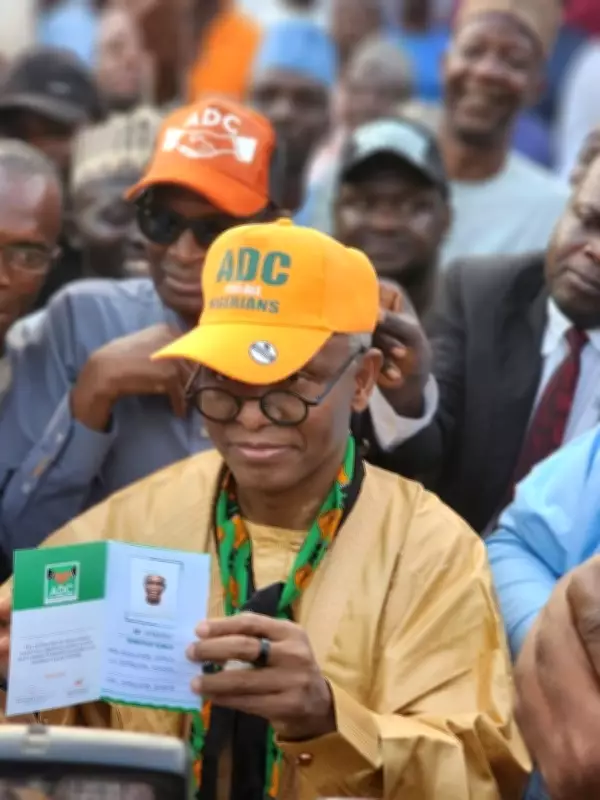
As internal cracks within the ruling APC and northern power bloc widened, el-Rufai found himself sidelined in favor of other Kaduna power brokers. In response, he publicly criticized Tinubu's economic reforms, such as fuel subsidy removal and forex adjustments, labeling them as anti-people policies. By 2024, his opposition escalated, with interviews calling the government incompetent, and by 2025, he aligned with opposition coalitions involving Atiku Abubakar and Peter Obi under the ADC platform, aiming for the 2027 elections.
Allegations and Accusations
Following his political shift, el-Rufai became a target for numerous allegations, ranging from corruption to human rights violations. Key accusations include:
- Abuse of Power: During his tenure as FCT Minister, he faced claims of selective demolitions and illegal land revocations, though he defended these actions as part of cleaning up the Abuja Master Plan.
- Corruption and Self-Enrichment: Critics point to unexplained wealth and contract awards to cronies in Kaduna projects, leading to multiple investigations without major convictions.
- Divisive Rhetoric: He is accused of using sectarian language that exacerbated Muslim-Christian tensions in Kaduna, with human rights groups claiming his comments incited violence.
- Security Failures: Events like the Southern Kaduna killings and the 2015 Zaria massacre involving Shi'a groups were blamed on his governance, with allegations of inaction and bias.
Despite these accusations, no criminal convictions have been secured against el-Rufai, leading many to view the probes as political blackmail rather than genuine justice.
Recent Legal Troubles
In February 2026, el-Rufai was detained by the EFCC over an alleged N432 billion corruption probe. After being granted bail, he was rearrested by the DSS on charges of cybercrimes, specifically for unlawfully wiretapping the phone of National Security Adviser Nuhu Ribadu. Additionally, the ICPC took him into custody for money laundering and abuse of office investigations. A court has ordered his remand until March 19, 2026, pending further legal proceedings.
Context of Nigerian Political Culture
To understand el-Rufai's situation, it is essential to examine the typical behavior of Nigerian politicians. Common traits include:
- Controversial Personalities: Many politicians are loud, confident, and rarely admit fault, often entangled in wealth and power dynamics.
- Identity Politics: Ethnic and religious cards are frequently played to mobilize support, even at the risk of sparking tensions.
- Legal Clouds: Most face graft allegations, but few are convicted due to a slow and corrupt judicial system, with immunity often providing protection.
El-Rufai's actions align closely with these patterns, suggesting that his current ordeal may stem more from political fallout than unique misconduct. If he had remained loyal to the APC, his alleged sins might have been overlooked, as seen with other politicians in the Tinubu government who face similar accusations but are not prosecuted.
Call for Justice and Fairness
The selective targeting of el-Rufai raises concerns about Nigeria's justice system. While due process must be followed in his prosecution, indefinite detention without conviction could be perceived as persecution, especially given that many other politicians with pending allegations are not facing similar scrutiny. This case highlights the need for Nigeria to address its battered image by ensuring fairness and avoiding witch-hunts based on political affiliations.
In conclusion, Nasir el-Rufai's travails reflect broader issues in Nigerian politics, where allegiances and power shifts often dictate legal outcomes. As the saga unfolds, it underscores the importance of upholding justice without bias, to prevent further erosion of public trust in the country's institutions.