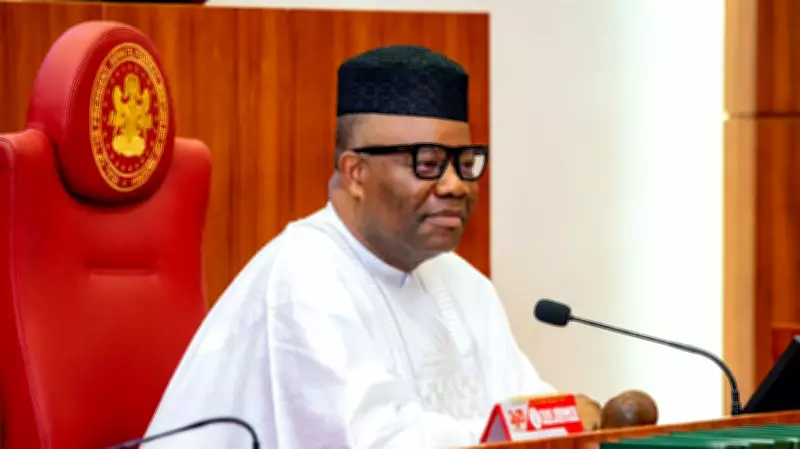
SERAP Intensifies Pressure on Akpabio Over N210 Trillion NNPCL Scandal
The Socio-economic Rights and Accountability Project (SERAP) has once again issued a direct appeal to Senate President Godswill Akpabio, demanding the immediate publication of names and designations of individuals implicated in the alleged disappearance of N210 trillion from the Nigerian National Petroleum Company Limited (NNPCL). This latest call, made yesterday, marks a continuation of SERAP's persistent efforts to hold authorities accountable for the massive financial irregularities.
Details of SERAP's Demands for Transparency
In a formal letter signed by SERAP's Deputy Director, Kolawole Oluwadare, over the weekend, the organization urged Akpabio to instruct the Senate's Public Accounts Committee to release comprehensive details of the ongoing investigation. This includes audit reports, financial records, official communications relied upon by the committee, and specific timelines for when implicated officials should appear and for the investigation's conclusion. SERAP emphasized that such full disclosure is critical to ensuring transparency and accountability, preventing political interference, and enabling Nigerians to independently scrutinize the facts.
According to SERAP, the Public Accounts Committee has already raised serious concerns regarding unreconciled figures and a lack of supporting documentation in the case. Despite these issues, several officials have reportedly failed to appear before the committee or provide satisfactory explanations, further complicating the probe into the missing funds.
Implications of the Allegations and SERAP's Stance
SERAP stated, "The allegations that N200 trillion is missing or unaccounted for, whether fully accurate or partly overstated, can only be taken seriously by Nigerians if the Senate is fully transparent in its ongoing investigation regarding the credibility, plausibility, and accuracy of the claims." The organization argued that transparency in the investigation is essential to avoid any perception of a cover-up or political compromise, ensuring that the facts are clearly established and public trust is maintained.
This scandal, involving such a staggering sum, has drawn widespread attention and concern, highlighting systemic issues within Nigeria's oil and gas sector. SERAP's repeated calls underscore the urgency of addressing these allegations to foster greater accountability in governance and protect national resources from mismanagement.