Ezekwesili Condemns Senate's Electoral Act Review as 'Insult to Nigerians'
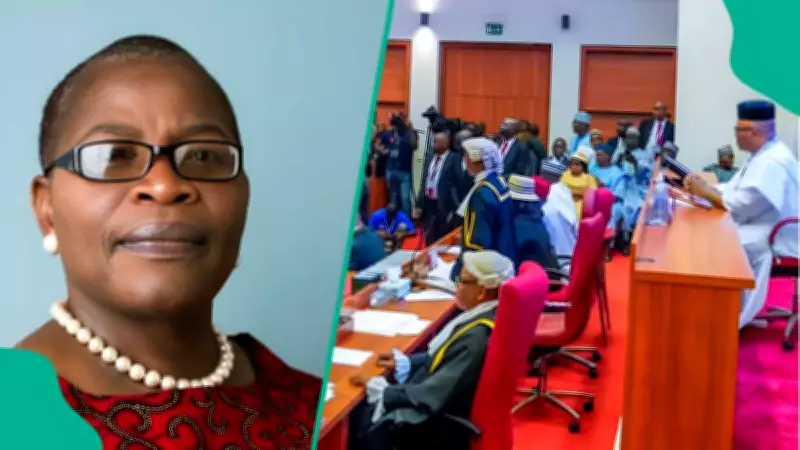
Former Minister of Education, Dr. Oby Ezekwesili, has launched a scathing critique against the Nigerian Senate for its handling of the Electoral Act review, particularly the retention of provisions that make real-time transmission of election results optional. Speaking via Arise News on Friday, February 6, Ezekwesili accused the legislative body of failing to address critical flaws that have eroded public trust in Nigeria's electoral system.
The Core Issue: Section 60, Subsection 5
According to Ezekwesili, the fundamental problem lies in the Senate's decision to maintain Section 60, Subsection 5 of the INEC Act 2022. This provision became highly controversial following the 2023 general elections, as it grants the Independent National Electoral Commission (INEC) discretionary power over electronic transmission of results. Ezekwesili argued that this ambiguity creates a loophole that compromises electoral integrity and transparency.
"The Senate decided to do a sort of 'let sleeping dogs lie' when indeed that was not the intention," Ezekwesili stated, emphasizing that many Nigerians had anticipated amendments to eliminate such discretionary powers. She expressed disappointment that the Senate's actions did not align with public expectations for stronger electoral safeguards.
Public Outrage and Historical Context
In a public memo shared on X on Thursday, February 5, Ezekwesili questioned whether the Senate had ignored lessons from the 2023 elections. She accused senators of deliberately preserving problematic provisions despite witnessing their negative consequences firsthand.
"No one is deceived. The Senators must never again insult the intelligence of Nigerians by pretending this is about 'INEC's independence' or 'operational flexibility,'" she wrote. Ezekwesili dismissed claims that the Senate had not rejected electronic transmission outright, arguing that an optional and unenforceable system offers no real protection against manipulation.
The Dangers of Optional Electronic Transmission
Ezekwesili highlighted the risks associated with maintaining discretionary electronic transmission:
- It fails to safeguard against systemic electoral fraud
- It signals that transparency remains negotiable in Nigeria's electoral process
- It could deepen public distrust ahead of the 2027 general elections
"Electronic transmission that is optional, discretionary, and unenforceable is no safeguard at all against the systemic electoral fraud that has plagued our country," she asserted.
Urgent Call to Action
The former minister issued a direct appeal to the Senate, urging immediate action to amend the bill and make real-time electronic transmission mandatory. She specifically called for senators to cancel their emergency two-week break and reconvene for a broadcast plenary session.
"I am therefore certain that the Nigerian Senate now knows what it must do immediately," Ezekwesili declared. "Senators, cancel that emergency two-week break announced today, all return to the Red Chamber of the National Assembly complex, and in a broadcast Plenary Session, unanimously pass into law the exact text of the reform that was proposed to the clause on electronic transmission of results."
Ezekwesili warned that failure to address these issues promptly could exacerbate electoral tensions and further undermine public confidence in Nigeria's democratic institutions as the country approaches another crucial election cycle.