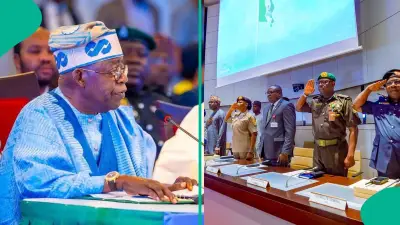
Opposition Lawmakers Stage Dramatic Walkout, Chant 'APC Ole' in Electoral Act Amendment Protest
In a dramatic display of political dissent, opposition members of Nigeria's House of Representatives staged a walkout from the green chamber's plenary session on Wednesday, February 17, 2026. The protest erupted over a contentious motion to rescind the passage of the Electoral Act Amendment bill, which had been approved by the House on December 23, 2025. As they exited the chamber, the aggrieved lawmakers were heard loudly chanting "APC ole," a phrase in Nigerian Pidgin English that translates to "APC thieves," directly targeting the ruling All Progressives Congress party.
Controversial Motion Sparks Heated Debate and Procedural Dispute
The session descended into chaos after the Chairman of the House Committee on Rules and Business introduced a motion calling for the reversal of the House's earlier decision on the Electoral Act Amendment bill. This legislative proposal includes critical provisions aimed at reforming Nigeria's electoral processes, with particular focus on enhancing transparency and accountability in future elections. Speaker Tajudeen Abbas put the motion to a voice vote, but his subsequent ruling ignited immediate controversy and outrage among opposition members.
Despite audible indications that the "nays"—those opposing the motion—were significantly louder than the "ayes," Speaker Abbas controversially ruled that the ayes had carried the vote. This procedural decision triggered vocal protests from lawmakers who perceived it as undermining democratic principles and parliamentary procedure. The atmosphere grew increasingly tense as members expressed their frustration over what they viewed as an attempt to roll back important electoral reforms.
Executive Session Fails to Quell Tensions Over Electronic Transmission Clause
In an attempt to restore order and address the growing dissent, Speaker Abbas called for an executive session—a closed-door meeting typically used to discuss sensitive matters away from public scrutiny. However, this intervention proved ineffective as the House quickly plunged into another rowdy session upon resuming open proceedings. The core of the disagreement centered specifically on Clause 60(3) of the Electoral Act Amendment bill, which mandates the compulsory electronic transmission of election results.
Opposition lawmakers remained steadfast in their protest, physically standing and preventing Deputy Speaker Benjamin Kalu from continuing with the day's legislative agenda. Their collective action effectively brought parliamentary proceedings to a temporary halt, highlighting the deep divisions within the House regarding electoral reform. The electronic transmission provision has been a particularly contentious issue in Nigerian politics, with proponents arguing it would reduce electoral fraud while opponents have raised concerns about technical implementation challenges.
Political Implications and Broader Context of Electoral Reform Debate
The walkout and accompanying chants of "APC ole" represent more than just a procedural dispute—they underscore the intense political polarization surrounding electoral reform in Nigeria. The Electoral Act Amendment bill has been a subject of prolonged debate and negotiation, with various stakeholders advocating for different approaches to improving the country's electoral system. This latest confrontation suggests that reaching consensus on these reforms may prove increasingly difficult as political tensions escalate.
Political analysts note that such public displays of dissent within legislative chambers are relatively rare in Nigeria's parliamentary proceedings, making this event particularly noteworthy. The incident has drawn attention to the broader struggle between different political factions over the direction of electoral reform, with implications for future elections and democratic governance in Africa's most populous nation. As the debate continues, all eyes will be on whether parliamentary leaders can find a path forward that addresses concerns from all sides while advancing necessary electoral improvements.