Trump Escalates Assault on US Electoral System with Federal Takeover Proposal
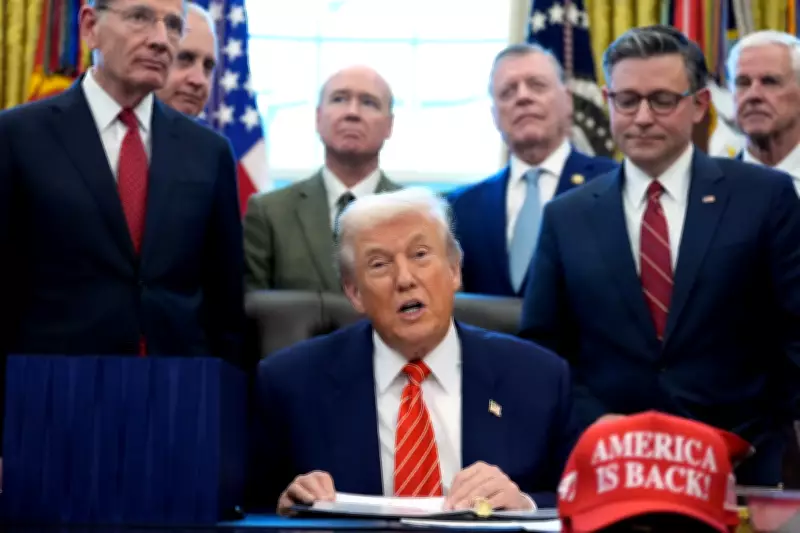
Former President Donald Trump has dramatically intensified his criticisms of the United States electoral framework in the lead-up to this year's crucial midterm elections. During a recent podcast interview with conservative commentator Dan Bongino, Trump explicitly called for Republicans to "nationalize" the voting process across the nation. This radical suggestion involves shifting the responsibility for organizing elections away from individual states and placing it under direct federal control, a move that represents a significant departure from America's long-standing decentralized election administration.
Unfounded Claims and Constitutional Concerns
Trump's remarks were accompanied by a repetition of his thoroughly debunked assertions that the 2020 presidential election was "stolen" from him. Despite numerous court rulings and official certifications that have consistently validated Joe Biden's victory, the former president persists in promoting baseless allegations of widespread voter fraud. "I don't know why the federal government doesn't do them anyway," Trump remarked to reporters when questioned about his nationalization comments, demonstrating his ongoing refusal to acknowledge his electoral defeat.
Legal experts have been quick to highlight the profound constitutional issues raised by Trump's proposal. Justin Levitt, a constitutional law professor at Loyola Law School, emphasized that "The Constitution clearly says that states are the ones that do the running of elections. There is no debate about this." Levitt, who has served in both the Obama and Biden administrations, explained that the current state-run system reflects deliberate safeguards against corruption and aligns with America's federal structure and separation of powers.
Political Context and Broader Strategy
These developments occur against a backdrop of concerning political dynamics for Republicans, who face the genuine possibility of losing control of Congress in the November midterm elections. Polls indicate weak approval ratings for Trump during his second term, while the party has suffered a series of disappointing defeats in recent local elections. Some analysts interpret Trump's rhetoric as part of a calculated strategy to undermine public confidence in electoral outcomes, particularly if Republicans experience losses in the upcoming contests.
In an interview with NBC News, Trump expanded on his rationale, alleging that "there are some areas in our country that are extremely corrupt" and suggesting that if elections "can't be done properly and timely, then something else has to happen." This language has raised alarms among civil rights organizations and democracy advocates who fear it could presage more direct interference in electoral processes.
Investigations and Escalating Tensions
The political atmosphere has been further charged by recent law enforcement actions. On January 28, the FBI conducted a controversial seizure of hundreds of boxes containing ballots and election-related materials in Georgia as part of an investigation into Trump's 2020 loss in that state. Notably, this operation was overseen by Tulsi Gabbard, whose role traditionally focuses on foreign threats rather than domestic election matters, adding another layer of controversy to the proceedings.
Simultaneously, the US Justice Department has filed lawsuits in approximately twenty states seeking access to voting records, while Trump's administration has circulated false claims about undocumented migrants voting illegally in large numbers. Rick Hasen, a prominent election law professor at UCLA, characterized these actions as "part of a broader strategy to, at least, cast doubt on the validity of the upcoming elections. At worst, it suggests he may try to use the federal government to actually interfere in how states run elections."
Alarming Rhetoric from Allies
The situation has grown increasingly tense with inflammatory statements from Trump's political allies. Steve Bannon, a leading figure in the "Make America Great Again" movement, declared ominously that "We're going to have ICE surround the polls come November. And you can whine and cry and throw your toys out of the pram all you want, but we will never again allow an election to be stolen." Such rhetoric has intensified concerns among critics who fear the potential deployment of law enforcement or even military resources to influence electoral outcomes.
Civil rights organizations have voiced strong opposition to these developments. The NAACP has accused Trump's administration of "looking to exhaust our nation with these deplorable and unconstitutional antics in hopes that we will grow tired and concede." As the midterm elections approach, the debate over election integrity and federal overreach continues to dominate American political discourse, with Trump showing no indication of moderating his position despite facing potential political consequences.